Protect Every Child: ACRM West African Command Calls for Urgent Regional Action
The African Child Rights Marshal (ACRM) West African Regional Command has called for urgent and coordinated action across West Africa to strengthen the protection of children from sexual abuse, exploitation, and other forms of violence.
The call follows allegations of sexual abuse and exploitation involving a minor in Onitsha, Anambra State, Nigeria, raising renewed concerns about the need for stronger child-protection systems, effective reporting mechanisms, and coordinated responses to threats facing children both offline and in digital spaces.
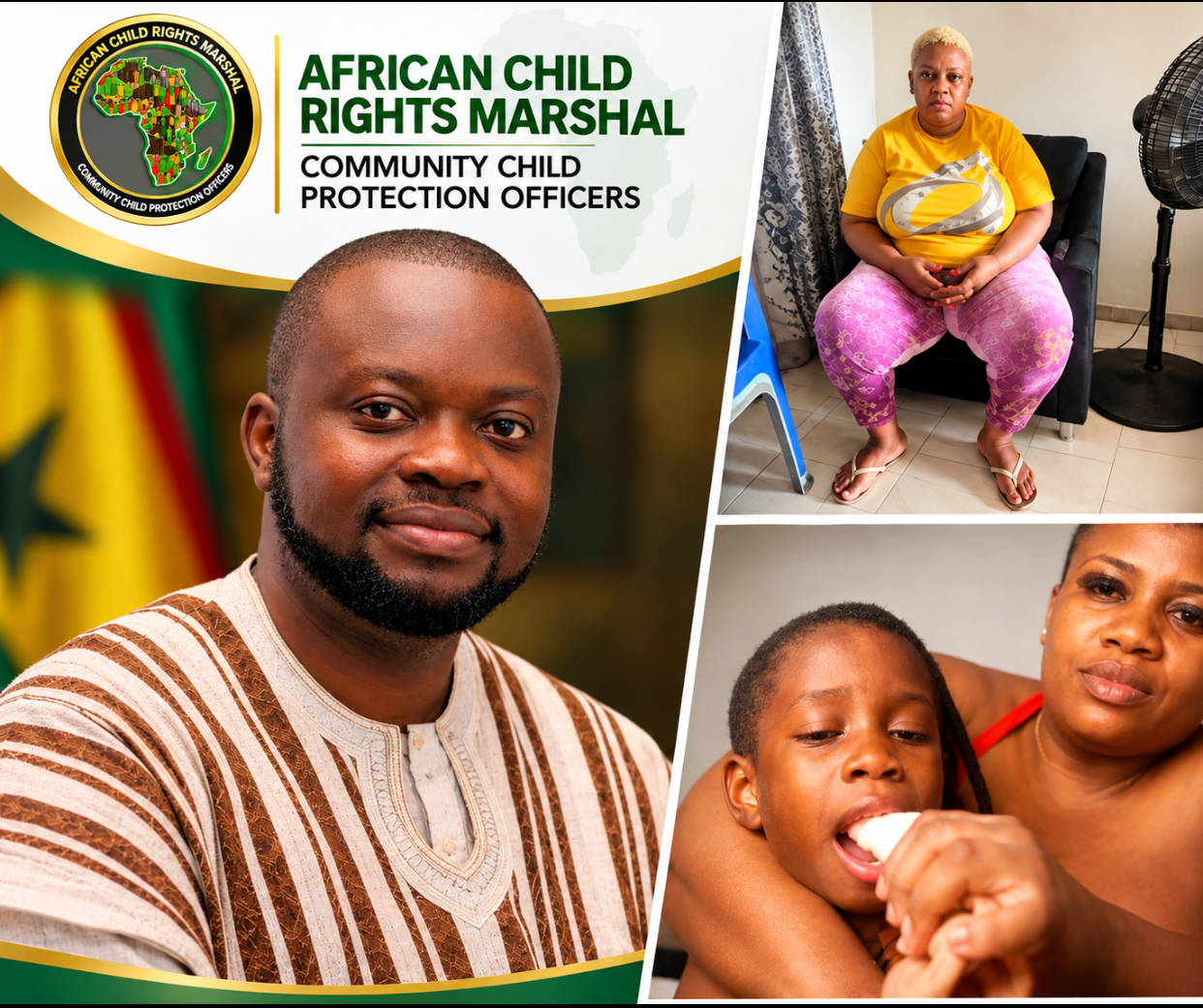
In an official press statement issued on Thursday, September 17, 2026, the Nigerian National Commandant of the ACRM, Marshal Dr. Juliet Hassana Muoneme, PhD, addressed the reported incident and called for a child-centered response within the framework of the law.
According to the statement, the Anambra State Police Command had confirmed the arrest of a woman in connection with the case and the rescue of four children, while investigations remained ongoing.
Dr. Muoneme described child sexual abuse, child sexual exploitation, and child pornography as serious crimes and called for a child-centered investigation and prosecution where evidence establishes criminal responsibility.
She further called for the maximum punishment permitted under Nigerian law upon conviction and urged members of the public not to circulate alleged materials depicting the abuse of children.
Protecting children must be a regional priority
Responding to the broader implications of the case, Marshal Dr. Joseph Kobla Wemakor, Assistant Commandant General of the ACRM West African Regional Command, said the reported incident should reinforce the need for governments, institutions, communities, and families across the region to strengthen mechanisms for protecting children.
He emphasised that allegations must be subjected to proper investigation and due process but said the vulnerability of children demands a firm, timely, and coordinated response.
“A child must never become a commodity, a source of income or content for the gratification or financial benefit of an adult. The dignity of every child must be protected, whether that child is at home, in school, within the community, or in the digital environment,” Dr. Wemakor said.
He said child protection must extend beyond physical spaces, particularly as digital technologies have created new avenues through which children can be targeted, exploited, and abused.
According to him, the cross-border nature of some forms of child exploitation makes cooperation among West African countries increasingly important.
“Our borders may separate jurisdictions, but they must never become barriers to protecting children. Where the exploitation of a child crosses a border, our child-protection response must be capable of crossing that border as well,” he said.
Dr. Wemakor called for stronger collaboration among law-enforcement agencies, child-protection institutions, civil society organisations, communities and other relevant stakeholders.
Do not turn children’s suffering into online content
The Assistant Commandant General also warned against the circulation of alleged child abuse material on social media and other digital platforms.
He urged members of the public who encounter such material not to download, forward, repost, or otherwise distribute it.
“A child’s suffering must never become our entertainment, curiosity, or social media content. If you encounter material depicting the abuse of a child, do not help it travel further. Report it through the appropriate channels,” he said.
He stressed that protecting a child also means protecting the child’s privacy, dignity and identity, particularly when an allegation is under investigation.
Dr. Wemakor urged members of the public to report suspected abuse to the appropriate authorities rather than attempting to investigate, expose or punish alleged perpetrators through social media.
Child-centred justice must remain at the heart of every response
Dr. Wemakor said responses to allegations involving children must not focus solely on establishing criminal responsibility but must also ensure that children are protected from further trauma throughout investigations and judicial processes.
“We must pursue accountability without losing sight of the child. The child must remain at the centre of every investigation, every intervention, and every policy response,” he said.
He called on parents, caregivers, teachers, community leaders, and other trusted adults to create environments where children can safely disclose abuse and receive appropriate support.
He also urged communities to reject the culture of silence surrounding child abuse and to take reports or signs of abuse seriously.
Stronger cooperation needed across West Africa
Dr. Wemakor said child protection should be treated as a shared regional responsibility rather than an issue that ends at national borders.
He called for stronger reporting mechanisms, public education, institutional capacity, and cross-border cooperation to address child sexual abuse, exploitation, trafficking, and online exploitation.
He said effective child protection requires not only laws and policies but also institutions capable of implementing them and communities prepared to act when children are at risk.
“When a child is vulnerable, society must become stronger around that child. When a child cannot speak, responsible adults must speak up. When a child is at risk, our institutions must act before the harm becomes irreversible,” he said.
The ACRM West African Regional Command reiterated that allegations of criminal conduct must be addressed through lawful investigations and due process, while emphasising that the safety, dignity, and best interests of the child must remain central throughout the process.
The Command further encouraged the public to support legitimate child-protection interventions and report suspected cases of abuse or exploitation through appropriate channels rather than amplifying harmful material online.
Human Rights Reporters Ghana (HRRG) remains committed to using investigative journalism, public education and advocacy to promote the rights, dignity, and protection of children and other vulnerable groups across Ghana and beyond.