Joseph Kobla Wemakor: Gender equality is a collective responsibility for all

To achieve gender equality, it is necessary for every arm of society – the individual, the home, the school, the workplace, and the state – to shoulder the responsibility.

Have you ever pondered why women continue to be underrepresented in leadership roles, politics, and even the economic sphere, despite the fact that women dominate the globe? 

Gender equality is still a vital problem in today’s culture, having been a subject of debate and concern for many years.

There is therefore a need to take collaborative social action to achieve gender equality, seeing that it is not a task that can be completed by one organization or individual.

Women have historically experienced systematic marginalization and exclusion from a variety of life domains, such as work, politics, and education.

Throughout its lengthy and illustrious history, the fight for women’s rights and gender equality has witnessed both major defeats and victories.

The first women’s rights convention, held in New York in 1848, was one of the turning points in the struggle for gender equality.

This conference, which was organized by activists like Lucretia Mott and Elizabeth Cady Stanton, signalled the start of a concerted attempt to address the injustice and prejudice that women experienced.

The Declaration of Sentiments, which called for women to have the right to vote and other fundamental rights, was the outcome, and it set the stage for further activism.

One example of the effectiveness of collective social action is the suffrage campaign, which gained grip in the late 19th and early 20th centuries.

Women from many walks of life and origins branded together and, after much perseverance, succeeded in uniting to demand their right to vote.

Another historical example of collective action for gender equality is the second wave of feminism, which emerged in the 1960s and 1970s.

Feminist activists such as Betty Friedan, Gloria Steinem, and Shirley Chisholm worked to address various issues, including reproductive rights, discrimination at the workplace, and domestic violence.

Their efforts resulted in significant legislative changes, including the prohibition of gender discrimination in education and the legalization of abortion in the United States.

Gender equality is still a comprehensive goal in many parts of the world, despite past progress.

There are still many issues that need to be resolved, and doing so calls for collective global social action.

In the field of economics, disparities in economic opportunities and wage gaps based on gender still impede women’s advancement.

Despite notable progress, women’s average income remains lower than that of men in the workforce.

Promoting equal pay and providing opportunities for women in traditionally male-dominated fields require concerted social action.

Moreover, Gender-based violence remains a pervasive global issue. Efforts to combat violence against women, such as the “MeToo movement”, demonstrate the power of collective voices in exposing and addressing these injustices.

Additionally, women continue to be underrepresented in leadership, business, and politics. Collective social action can support inclusive decision-making and assist in removing obstacles that prevent women from taking the lead in these domains.

Furthermore, deep-seated cultural and societal norms often perpetuate gender inequality. Changing these norms requires a collective shift in attitudes and values, driven by grassroots movements and advocacy.

Women are also often discriminated against in healthcare and education, which impedes their opportunities to lead in society.

Resolving these disparities requires collective action by individuals, civil society, the government, and stakeholders.

Positively, there have been notable advancements made in the cause of gender equality.

Numerous nations have enacted laws and regulations aimed at addressing gender differences in a range of domains, such as political engagement, work, and education.

The Sustainable Development Goals, which include a specific goal (goal 5) to achieve gender equality and empower all women and girls by 2030, were adopted by the UN, which has also played a significant role.

We cannot underestimate the importance of promoting collective action to ensure gender equality.

Recent research and case studies provide insights into the effectiveness of joint social action in promoting gender equality. Here are a few examples:

Iceland’s Gender Equality Strategy: Iceland is often cited as a leader in gender equality. Their government, in collaboration with civil society organizations, implemented a comprehensive Gender Equality Strategy that includes measures to close the gender pay gap and promote women’s participation in politics.

This strategy demonstrates the impact of a coordinated approach involving government, NGOs, and the private sector.

Moreover, the Women’s Marches that took place around the world in the aftermath of the 2016 U.S. presidential election are a contemporary example of joint social action.

These marches brought together millions of people to advocate for a range of women’s rights issues, including reproductive rights, healthcare, and gender-based violence.

Furthermore, the “HeForShe” campaign, which was started by UN Women, encouraged boys and men to advocate for gender equality.

It has gained support from male leaders and celebrities all across the world and highlights how important it is for everyone to get involved in the struggle for women’s rights.

Research has shown that collaborative efforts involving governments, civil society, and the private sector are more likely to produce lasting change.

Gender equality is not just a women’s issue; it requires the active involvement of all members of society. To continue making progress, several key strategies are essential:

  1. Education and Awareness: Raising awareness about the importance of gender equality and educating the public about its benefits are crucial. Schools, media, and community organizations play vital roles in this regard.
  2. Policy and Legal Reforms: Governments must enact and enforce laws that promote gender equality. This includes legislation addressing pay equity, parental leave, and protection against discrimination and violence.
  3. Support for Grassroots Movements: Grassroots organizations and activists often lead the way in advocating for gender equality. These groups should receive support and recognition for their work.
  4. Male Engagement: Engaging men and boys as allies in the fight for gender equality is crucial. Men can actively challenge harmful stereotypes and behaviours that perpetuate gender inequality.
  5. Economic Empowerment: Promoting women’s economic empowerment through initiatives such as microfinance, entrepreneurship support, and vocational training can have a significant impact.
  6. Mentorship and Leadership Development: Encouraging women to pursue leadership roles and providing mentorship opportunities can help overcome barriers to women’s advancement.

In view of these, the First International Conference on Gender Equality (ICGE) in achieving the Goal 5 of the SDG goals which seeks to bring together experts, advocates, government, civil society organisations, activists, and other stakeholders from around the world in Accra, Ghana-West Africa to discuss and promote gender equality is being staged on theme: “Building Bridges: Charting the Course for Gender Equality and Achieving SDG 5 in Developing Economies”.

The conference seeks to provide a platform for knowledge sharing and dialogue on gender equality issues in developing economies, identify key challenges and gaps in achieving gender equality, and help develop strategies to address them, among other objectives.

The much-anticipated event which is being initiated by I Believe Global Women’s Empowerment “IBGWE” Foundation, a reputable non-profit organization with support of the Ministry of Gender and Children and Social Protection, the National Development Planning Commission (NDPC) Ghana CSOs Platform on SDGs among other partners is expected to bring a Revolutionary Change to Ghana as far as the promotion of Gender Equality in Ghana and beyond is concerned.

The 1st International Conference on Gender Equality (ICGE) in Ghana is scheduled to take place at the CEDI Conference Room, University of Ghana, Legon, Accra, Ghana, on November 24–25, 2023, starting from 10 a.m.–5 p.m. each day.

The Human Rights Reporters Ghana (HRRG), an internationally recognized organization known for its enormous effort in advocacy across the globe, is among the key stakeholders who will grace the occasion to promote gender equality and ensure equal rights for all.

Promoting gender equality is an intricate and continuous initiative that demands not only individual commitment but also cooperative social action.

The sense of urgency for securing gender parity is recognized globally, making it a priority on global development agendas (UN Women, 2020).

Encouraging joint social action in this regard positions every member of society as an active participant in the fight for gender equality.

This shared responsibility and unified vision create an environment for awareness and understanding, dismantling the barriers of discrimination.

The multifaceted nature of gender issues calls for comprehensive and collaborative response strategies.

By involving all sectors of society in these strategies, we can address the systemic, institutional, and individual aspects of gender inequality (World Health Organization, 2019).

The urgent call to action for achieving gender equality necessitates it becoming a collective responsibility for all rather than a battle fought by a marginalized section.

The United Nations has identified gender equality as a pivotal piece of its sustainable development goals, recognizing that gender equality is vital not only from a human rights perspective but also for economic, social, and political progress to occur (United Nations, 2015).

Inequality can stifle potential and curtail opportunities, hence it impedes overall human development and progress.

Conversely, societies that embrace gender equality generally demonstrate higher growth rates, stronger developmental outcomes, and superior socioeconomic indexes.

To achieve gender equality, the collective responsibility should start from homes and educational institutions, where values are inculcated amongst younger generations.

Education plays a major role, arming the young with knowledge about gender bias, discrimination, and stigmatization and teaching them to reject these values (World Bank Group, 2018).

They should be taught about equality, given the task of detecting biases, and empowered to prevent and address gender prejudice.

Corporations and workplaces are another significant area where gender equality should be pursued. Vehemently striving for equal pay, promoting and providing equal opportunities for women, eradicating discriminatory practices, and addressing sexual harassment are the responsibilities of every organization (European Institute for Gender Equality, 2020).

Employers have a leading role in fostering gender equality not just within their organizations but in society at large by creating platforms for discussions and enacting fair and balanced organizational policies.

Policymakers themselves have a vital role to play. They should aim to introduce laws and policies that promote gender balance, diligently enforce existing legislation, and ensure sanctions for violations (OECD, 2020).

Civil society and the media also have a crucial role – influencing public opinion, challenging stereotypes, and advocating changes favouring gender equality.

To achieve gender equality, it is necessary for every arm of society – the individual, the home, the school, the workplace, and the state – to shoulder the responsibility.

The journey towards making gender equality our lived reality requires us to challenge and dismantle entrenched biases persisting in societal structures.

It will need progressively changing thought patterns, attitudes, and cultural norms, fueled by the collective contribution and concerted efforts of every section of society.

Thus, let us remember- gender equality is not just the fight of those who face inequality. It is the collective duty of every individual, institution, and nation.

Only when we all align our thoughts and actions towards the goal of equality, can we hope to make gender equality a universal reality.

In conclusion, although the journey towards achieving complete gender equality may seem arduous, collective social action serves as a beacon, paving the path and dispelling the shadows of entrenched biases.

The effort truly is the sum of all parts, and collective action underpins its success.

Historical studies demonstrate the power of collective action in driving change, while recent research and case studies reveal the progress made and the challenges that remain.

Achieving gender equality requires a combination of legislative reforms, cultural shifts, and collaborative efforts from governments, civil society, and individuals.

As we move forward, it is crucial to recognize that gender equality is not just a women’s issue but a fundamental human rights issue that benefits everyone in society. Only through joint social action can we hope to create a world where gender equality is a reality for all.


By Joseph Kobla Wemakor


The writer is a gender equality advocate, staunch human rights activist, National SDGs Champion and Founder/Executive Director of Human Rights Reporters Ghana (HRRG).


B.ISA and Human Rights Reporters Ghana moves to promote climate action through storytelling

This venture reiterates an essential, yet sometimes overlooked truth – every measure, even a small step, can contribute to the global fight against climate change

Be Inspired with Stories from Africa (B.ISA), in partnership with the Human Rights Reporters Ghana-NGO (HRRG) has organized a 1-day climate storytelling event aimed at empowering young people to drive actionable climate change at the Local Conference of Youth (LCOY) 2023.

The event which took place at the Institute of the Statistical, Social and Economic Research Conference Hall within the University of Ghana campus on Wednesday October 25, 2023, began with screening of a documentary video which sheds light on the Duapa Climate Action in African communities, namely, Ghana, Nigeria, Kenya, and Liberia, followed by some inspiring stories from climate leaders and community representatives.

Miss Lucenda Afful, one of the participants in the Duapa climate action project expressing her excitement, recounted how technology has enhanced her tree planting projects.

“Technology has made planting and monitoring of the trees I plant easy with less struggle. I am able to record the growth and health of the plants using the Locus Map App. I thought it would have been difficult and complicated until I began to use it”.

Lucenda exclaimed, adding that “the power of technology has equally helped her to know the status of the trees”.

She furthered, “using technological equipment like the drones, we are able to plant seedlings where our human efforts cannot get to, and with the aid of the Locus App on the mobile phone, we are able to track the state of the seedlings and the other trees we plant”.

Participants in the event were very excited to see how digital technology has been adopted as a tool for plant management.

Also, there were some discussions on advancing the use of medicinal plants, restoring Ghana’s lost forests, providing the youth with alternative sources of livelihoods as well as how to contribute to Ghana’s nature-based climate change adaptation strategy.

However, concerns were raised about how some young people are unable to use technology to promote climate change due to the unavailability of technological tools and equipment in their locality.

Mr. Derrick Afful, field officer for the Duapa reforestation project mentioned during a panel discussion that technology is the basis for sustainable agriculture. “Technology in agriculture increases agricultural productivity and develops the agricultural process” he exclaimed.

Concluding, panelists mentioned how the government is in support of promoting climate change and is ready to support individuals who are willing to promote the change.

Moreover, the youth were admonished to collaborate among themselves and seek out available resources and funding to support their individual projects on climate change.

All in all, this initiative by B.ISA and Human Rights Reporters Ghana marks a novel approach to climate awareness and action.

It melds a time-honoured communication strategy with modern technological means to foster a movement that could effectively combat climate change. Moreover, it holds the promise of catalysing a ripple effect, triggering similar projects globally.

This venture reiterates an essential, yet sometimes overlooked truth – every measure, even a small step, can contribute to the global fight against climate change.

By leveraging storytelling’s power, these organisations hope to spark a broader dialogue on climate issues, inspiring people to act for a sustainable future.

The event also enjoyed partnership from the Greenzine, Ghana News Agency, the All Africa Students Union and Kingdom FM.


Joseph Wemakor chosen for capacity building on regional & int’l human rights systems in Tanzania

Joseph Kobla Wemakor, a seasoned Ghanaian human rights activist and journalist, has been selected among 30 African renowned human rights activists for an intensive training session on regional and international human rights systems and mechanisms taking place from October 13–15, 2023, at the Palace Hotel in Arusha, Tanzania.

Dubbed: “African Human Rights Training of Trainers on the Participation in and Engagement with the African Commission on Human and People’s Rights” is a 3-day capacity building workshop which seeks to build the capacity of the selected participants including offering them the opportunity to participate and engage with the regional human rights mechanisms in Africa.

The training is being organized by the African Centre for Democracy and Human Rights Studies (ACDHRS) with support from the African Commission for Human and People’s Rights (ACHPR) International Service for Human Rights (ISHR), Pan African Lawyers Union (PALU), United Nations Human Rights Office of the High Commissioner and the Open Society Foundations including other partners.

According to the Executive Director of the African Centre for Democracy and Human Rights Studies (ACDHRS), Hannah Forster, the objective is to consolidate closer collaboration among NGOs, CSOs, Journalists, and Human Rights Defenders with the African Commission of Human and People’s Rights to promote and protect Human Rights in Africa.

Wemakor is one of the only two Ghanaians among 30 participants selected from 23 countries across the African continent to benefit from this program.

The beneficiaries, according to the Training and Advocacy Support Manager of the International Service for Human Rights (ISHR), Salomé Boucif, were carefully selected out of a pool of over 2,000 applications received for entries.

Wemakor’s participation in this program reflects his dedication to the promotion of human rights and justice, as well as his commitment to influencing society through his profession.

The knowledge and experience he will gain from this training will add significant value to his work and enhance his contributions to the field of human rights.

Joseph Kobla Wemakor, who is also the founder and executive director of Human Rights Reporters Ghana (HRRG), a vibrant NGO, is a distinct voice in the realm of human rights advocacy in Africa.

His various accomplishments and contributions are fuelled by a deep-seated passion for justice and an unwavering dedication to upholding the rights of the marginalized and vulnerable in society.

This unique selection speaks to his mastery of journalism, advocacy, and his strategic position within the human rights discourse.

The training course will feature in-depth discussions on regional human rights issues and concerns, exploring the International Human Rights System, the African Human Rights System among others.

These are crucial platforms for global efforts towards upholding human rights and mitigating violations.

Participants will be exposed to intensive sessions on the wide range of mechanisms and policies engineered to address human rights issues and promote justice.

The primary intended benefits from the training are to strengthen human rights reporting, bolster the capacities of human rights advocates, and build a strong network of dedicated individuals who are proficient in addressing these issues strategically through journalism and advocacy.

The Human Rights Reporters Ghana’s boss selection for this high-profile training course is also a reflection on Ghana’s continually improving human rights landscape.

It speaks to the work being done by dedicated professionals like Wemakor in raising awareness and affecting change within the human rights framework, demonstrating the recognition of their efforts on regional and international platforms.

While in Tanzania, Wemakor is also expected to participate in the NGOs Forum which will be held from 16th-18th October as well as the Ordinary Session of the African Commission on Human and People’s Rights (ACHPR) from 20th to 24th October 2023.

The NGOs Forum offers a platform for networking and sharing updates on the human rights situations in Africa by the African and international NGOs community with a view to identifying responses as well as adopting strategies towards the promotion and protection of human rights on the continent.

According to the organizers, participation in the Ordinary Sessions of ACHPR will also give participants a practical taste of the work of the Commission.

Participants in the forum will comprise human rights organizations from Africa and beyond, numbering over a hundred Resource persons for the Forum are eminent activists and experts dealing with human rights issues in Africa.

The African Centre for Democracy and Human Rights Studies (ACDHRS) will also organize the 42nd African Human Rights Book Fair, which will run simultaneously with the Forum.

The Book Fair enables NGOs to network and initiate or renew the exchange of materials and information, as well as to publish their activities. Participants in the forum will actively participate in the Book Fair by displaying publications or documentaries of their organizations.

As we reflect on this notable achievement, it is critical to remember the broader context of human rights work.

The defence of human rights remains an ongoing battle due to persistent violations. It is essential to educate individuals, communities, and governments about the importance of upholding human rights and the mechanisms available to protect and promote these rights.

Joseph Wemakor’s selection for this training opportunity is a step forward for both the individual and the broader human rights activism landscape in Africa.

With news like this, there is renewed confidence in the field’s future, a testament to the hard work of tireless advocates like Wemakor.

In conclusion, the human rights landscape needs more passionate voices like Joseph Kobla Wemakor. With his selection for this unique opportunity, it is clear that he has the influence, professionalism, and dedication required to continue serving as a powerful advocate for human rights.

This exceptional chance is anticipated to give him an extraordinary insight into the Commission’s work and further equip him with crucial knowledge about regional and international human rights systems and mechanisms, thereby enhancing his contributions and influence in this area, which is of utmost significance to society as a whole.
 

Source:3news.com

HRRG boss Joseph Wemakor declares 2023 his year of victory

2023 has been christened the “Year of Victorious “3S”—Success, Shine, and Stardom” by Joseph Kobla Wemakor, one of the leading names in African journalism. 

Wemakor, a writer and human rights campaigner from Ghana, is no stranger to accomplishment; throughout his distinguished career, he has won numerous honors and accolades.

While emphasizing personal development and impact on the journalism industry, his aim for 2023 goes beyond prior accomplishments.

First, ‘Success’ as Wemakor sees it, is comprehensive. It isn’t just about personal achievements or accolades. Wemakor’s vision includes supporting other aspiring journalists via mentorship and contributing to moulding the next generation of newsmakers.

His definition of ‘Success’ also encompasses the betterment of journalism in Ghana and Africa, promoting a free press, transparent reporting, and making the world aware of the beautiful stories of resilience and triumph that come from Africa.

Second, ‘Shine’. Wemakor believes that success only counts when it brings light to others’ lives too. Shine for him, therefore, implies his work becoming more visible, sparking meaningful conversations, and inspiring change. Wemakor’s journalism has often been characterized by his commitment to human rights.

Therefore, his aim for his career to ‘shine’ in 2023 further underscores his dedication to sharing stories that can have a positive influence on society.

Lastly, ‘Stardom’ for Wemakor is instrumental yet humble. Rather than fame for its own sake, he views stardom as an opportunity to direct the spotlight towards issues that matter. His focus remains on making the voices of the unheard visible to a global audience.

By using the platform that stardom provides, he hopes to impact societies beyond national borders, turning challenges into opportunities, despair into hope, and shadows into light.

In conclusion, Joseph Kobla Wemakor 2023: The Year of Victorious 3S: Success, Shine, and Stardom is a blueprint for not only personal growth but also for building a better journalistic culture that could positively influence society.

Empowering journalism with integrity, spotlighting important issues, and using influence to enhance society truly represents Wemakor’s distinguished approach to Success, Shine, and Stardom for the upcoming year.


Source: Alhassan Kandey|GHlense.net

Human Rights Reporters’ Joseph Wemakor receives 2023 Africa Peace Advocate Awards for excellence in peacebuilding

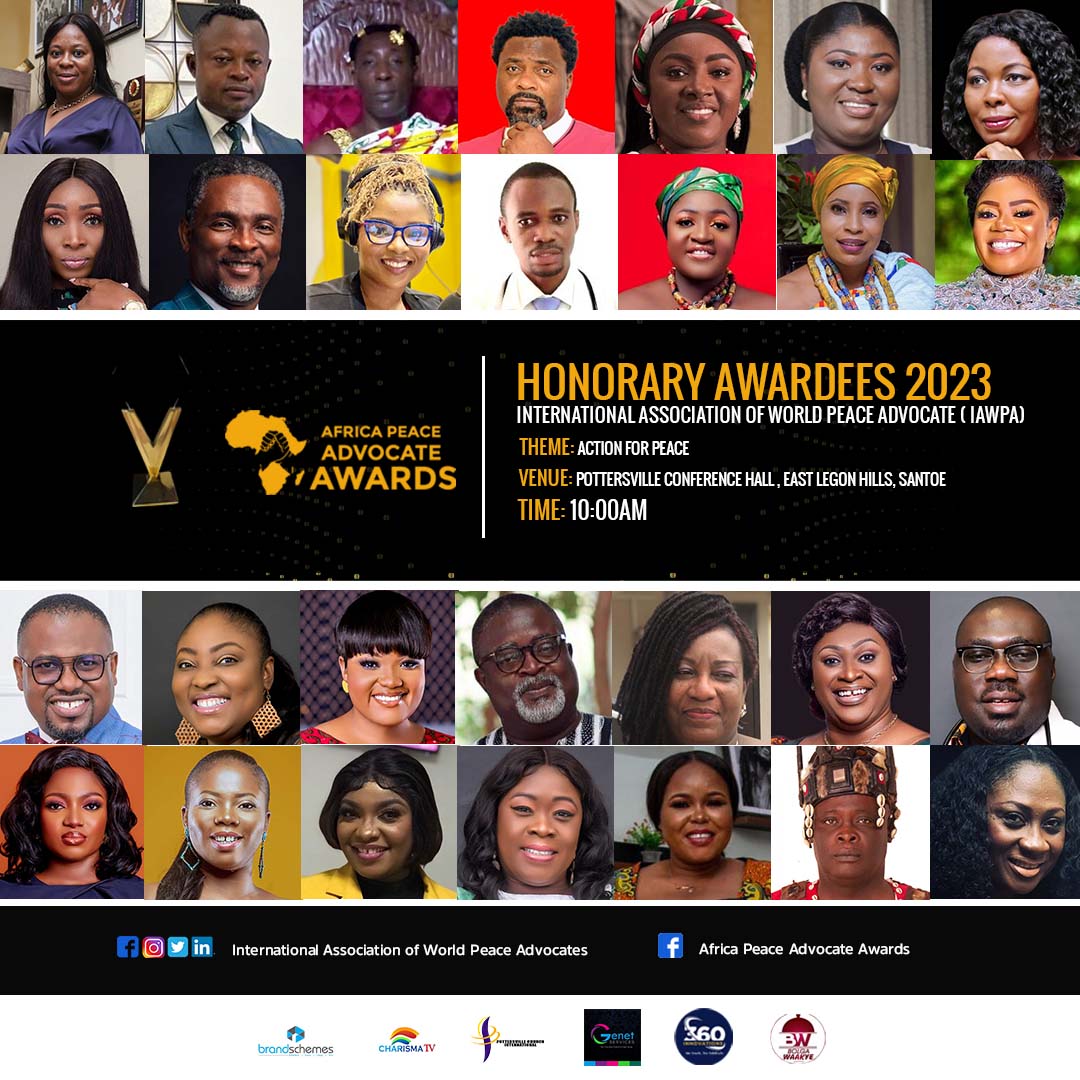
The International Association of World Peace Advocates (IAWPA) has proclaimed Joseph Kobla Wemakor as one of its recipients of the prestigious Africa Peace Advocate Awards 2023. 

He was recognized among over 30 exceptional Ghanaian individuals who have dedicated themselves to promoting peace in their communities and beyond.

Known for his remarkable endeavours and continuous efforts in the direction of maintaining and extending peace in Africa, Wemakor has now been duly recognized and acclaimed globally.

Joseph Kobla Wemakor is a renowned Ghanaian peace activist, dedicated humanitarian, and influential journalist. He is also the founder and executive director of Human Rights Reporters Ghana (HRRG), an NGO committed to fighting for the rights of marginalized groups in society.

Acknowledged for his virtue of deep conviction for peace, Wemakor has consistently initiated and led movements towards selfless service and goodwill undertakings.

The IAWPA’s newly granted honour signifies a landmark and colossal achievement in Wemakor’s relentless journey of fostering peace and understanding among communities.

The effort dedicated by Wemakor in peace advocacy across Africa and beyond has been enormous and of profound significance.

With his robust journalistic background, he has used words as his tool to mould, shape, and inspire the minds of the masses.

Wemakor believes in the sanctity of the pen as a force that combats situations of conflict, unrest, and animosity prevalent in numerous African communities.

The Africa Peace Advocate Awards, a headline initiative from IAWPA, has been instrumental in recognizing peace advocates who have made exceptional contributions to promote peace and harmony. The award encapsulates the very spirit of humanity and acknowledges the relentless efforts of peace advocates worldwide.

Wemakor’s recognition by IAWPA underscores his persistent work, including formulating and implementing strategies and programs for conflict resolution, promoting peaceful co-existence, and empowering the youth towards progressive and peaceful journeys. More than just an honour, this award is a testament to his continued dedication towards creating a harmonious and peaceful African society.

This award brings the total number of notable honors received by Wemakor this year to three. The Pan-African Human Rights Defenders Network, based in Kampala, Uganda, was the first organization to be moved by his extraordinary accomplishments and nominated him on February 17, 2023, for the prestigious AfricanDefenders Shield Award, which honors people who work to advance and defend human rights in Africa.

On July 15, 2023, the Entreps, International Board of Global Actors, and Business for Sustainability in Costa Rica gave him, along with his platform, the most prestigious 5th UN Global Entreps Awards for their outstanding contribution to the UN Sustainable Development Goals (SDGs). This was followed by widespread recognition.

Prior to that, his relentless advocacy work had been acknowledged, which led to the selection of his platform, the Human Rights Reporters Ghana (HRRG), as one of the 10 finalists for the 2020 Africans Rising Activism Awards’ Movement of the Year Award.  The only group to represent Ghana on the continent was HRRG, which placed fourth in the finals.

Again, on November 13, 2021, he received an honorary award for peace, security, and education from the Transformational Empowerment and Rural Integration Africa Foundation, an NGO, at the inaugural Africa Early Education Award (AECEA) ceremony for his outstanding work on peacebuilding initiatives across the continent.

His excellence in human rights advocacy and defence was recognized by a global media outlet, “Business Woman Magazine,” based in Ukraine, on October 17, 2020.  He was chosen to be featured in its glossy pages alongside a number of notable individuals, diplomats, activists, and business leaders who have an impact on lives on a global level.

The IAWPA’s high commendation for the Human Rights Reporters Ghana’s boss equally highlights its commitment to acknowledging outstanding individuals striving to maintain peace.

The Association aims to foster global peace and harmony through interdisciplinary and cross-cultural communication. By acknowledging peace defenders like Joseph Kobla Wemakor, the IAWPA hopes to inspire many others to take up the mantle of peace advocacy in their respective societies.

In accepting the impressive honour from the United Nations Eminent Peace Ambassador and Country Director for the International Association of World Peace Advocates, Dr. Samuel Ben Owusu, the humble peace advocate emphasized that the recognition would further invigorate his objectives and dedication towards realizing a peaceful and united Africa.

His vision, characterized by relentless optimism, revolves around seeing a continent free from conflict, where every individual lives in harmony and peace.

The Africa Peace Advocate Awards 2023 offers a felicitous platform for champions of peace like Joseph Kobla Wemakor. Notably, it underscores their significance in harmonizing and consolidating peace in the African continent and the wider world in general.

It is the hope that this honour will inspire younger generations to contribute towards creating an environment of peace and co-existence.

The unwavering efforts and endeavours of peace advocates like Wemakor are indeed commendable and noteworthy.

The Africa Peace Advocate Awards and IAWPA’s honour of Wemakor is a step towards acknowledging such unyielding efforts.

His actions and contributions are a beacon of hope and a reminder that upholding peace, much like justice, is a collective effort that should be honored and celebrated.


Source:Modernghana.com


IAWPA honors over 30 outstanding Ghanaian advocates at the 2023 Africa Peace Advocate Awards

The second edition of the Africa Peace Advocate Awards event held recently celebrated the remarkable efforts of over 30 Ghanaian individuals who have dedicated themselves to promoting peace in their communities and beyond.  

The event, which took place at the Pottersville Church International, East Legon Hills, Santoe in Accra on Thursday September 21, 2023 brought together prominent figures, activists, and supporters of peace from across the nation.  It was held under the theme: “Action for Africa Peace”

The Africa Peace Advocate Awards event aimed to acknowledge and honor Ghanaians who have utilized their platforms to create awareness, foster dialogue, and inspire action towards achieving lasting peace.

The recipients of the awards were selected based on their exceptional contributions and positive impact on society.

Among the distinguished awardees was Joseph Kobla Wemakor, a renowned journalist and peace advocate who has consistently used his media platform to highlight the importance of peaceful coexistence.

His unbiased reporting and commitment to promoting dialogue have played a significant role in resolving conflicts and fostering understanding among diverse communities.

Another notable recipient was Regina Asamoah, a young entrepreneur who founded an organization dedicated to empowering women and promoting peace through economic development.

Her initiatives have not only provided economic opportunities for marginalized communities but have also fostered unity and reconciliation among different ethnic groups.

The Africa Peace Advocate Awards event also recognized the efforts of organizations that have made significant contributions to peacebuilding in Ghana.

One such organization is the Pamcos Foundation, a non-governmental organization that has been at the forefront of peace education and conflict resolution. Their tireless efforts have helped bridge divides and promote peaceful coexistence among Ghanaians.

Addressing the noble gathering, the United Nations Eminent Peace Ambassador and Country Director for the International Association of World Peace Advocates, Dr. Samuel Ben Owusu, reminded the honorees about the significance of the honor and charged them to be resolute, committed to work, and vigorously utilize their various platforms to advocate for peace, development, and progress for the betterment of all within the African continent.

“We are not just going to honor you with awards. It’s for work. We need you. Ghana needs you. Africa needs you. We need you to use your platforms to speak to bring about change”.

During the event, the awardees expressed their gratitude for the recognition and emphasized the importance of continued efforts towards peacebuilding.

They called for increased collaboration, dialogue, and inclusivity in order to address the root causes of conflicts and create a more harmonious society.

The Africa Peace Advocate Award event served as a platform to inspire and encourage Ghanaians to actively participate in promoting peace within their communities. By recognizing the achievements of these remarkable individuals and organizations, the event aimed to inspire others to take action and make a positive difference in their society.

As Ghana continues its journey towards a more peaceful and prosperous future, the Africa Peace Advocate Award event serves as a reminder of the power of individuals and organizations to effect change and build a society rooted in peace, unity, and understanding.


Below is the list of the awardees:


  1. Mrs. Rev. Dr. Joy Owusu
  2. Dr. Bright Okoh
  3. Lady Rev. Mrs. Martha Frimpong Boateng
  4. Rita Esionam Garglo
  5. Dr. Chester Bonnako
  6. Ms. Harriet Nartey
  7. Ms. Edna Bruce Cudjoe
  8. Ms. Regina Asamoah
  9. Apostle Abraham Lamptey
  10. Hon. Dr. Mrs. Hanna Louisa Bisiw-Kotei
  11. Fiifi Pratt
  12. Mr. Gilbert Aggrey Abeiku
  13. Nana Ama Anima Tutuwaa I
  14. Dr. Nana Enyinfua III
  15. Mrs. Theresa Tawiah Anang
  16. Rev. Dr. Victor Anang
  17. Pamela Agyapomaa Anokye
  18. May Adaeze Chinda
  19. Ms. Emmaline Dartey
  20. Rev. Nelly Deladem
  21. Mrs. Yvonne Antonio
  22. Capt. Nii Kojo Nseni Mankattah
  23. Ms. Cecilia Agyeiwaa
  24. Anokyewaaba Serwaa
  25. Ms. Valentina Ofori Afriyie
  26. Mr. Philip Danquah
  27. Joseph Kobla Wemakor
  28. Nana Okogyeaman Oprepeh X


Source:IAWPA


Human Rights Reporters Ghana CEO Joseph Kobla Wemakor nominated for Africa Peace Advocate Awards 2023

The Founder and Chief Executive Officer (CEO) of Human Rights Reporters Ghana, Joseph Kobla Wemakor has been nominated for the prestigious Africa Peace Advocate Awards (APAA) slated for September 21, 2023, at the Pottersville Church Conference Hall in East Legon Hills, Santoe, Accra.

The news comes as a testament to his exceptional contributions to peacebuilding, human rights advocacy, and unprecedented efforts to promote the wellbeing of marginalized populations in Ghana and across the Africa continent.

Joseph Kobla Wemakor joins an esteemed league of distinguished individuals recognized for their significant achievements in peace advocacy.

APAA aims to honor individuals and organizations that have made considerable contributions to peacekeeping, conflict resolution, and human rights advocacy across Africa.

Closer to home, Wemakor has earned respect and acclaim as a relentless human rights advocate in Ghana.

Through Human Rights Reporters Ghana (HRRG), his non-profit, media and human rights advocacy organization, Wemakor has led and been a part of local and international initiatives that disrupt patterns of human rights abuses, nurture peace, and promote respect for human dignity.

Notably, HRRG’s campaigns have significantly raised awareness of human rights and propelled social change, thereby securing Wemakor a place among Ghana’s most influential human rights advocates.

Wemakor’s admirable efforts to stop child abuse and kidnapping are among his most prominent projects. He has developed and led a campaign to inform the public about the risks and severe repercussions of such acts while simultaneously working to support the victims of these atrocities.

In the year 2020, he launched a powerful media advocacy campaign on the issue of human rights violations in South Korea during the time of the first COVID-19 pandemic, which resulted in Lee Man-hee, an 89-year-old man who is the founder and head of the Shincheonji Church of Jesus Christ, a growing minority and ‘unpopular’ church in Korea, being released from detention.

For his suspected involvement in concealing information from the South Korean government and authorities concerning church members, which they felt was detrimental to the effort to combat the pandemic, Mr. Lee was used as a scapegoat and wrongfully arrested and incarcerated.

Additionally, Wemakor’s influence extends beyond the borders of Ghana through his contributions to international dialogues on peace and human rights.

He makes regular appearances at high-level UN meetings and conferences, where he shares his insights on peacebuilding and highlights the urgent need to safeguard human rights across the globe.

Being nominated for the Africa Peace Advocate Awards is another significant milestone in Wemakor’s illustrious career.

This recognition provides proof of his continuous commitment to peacebuilding, conflict resolution, and the fundamental principles of human rights.

It also spurs him and his team at HRRG to further their work in transforming societies and fostering environments where human rights are not only respected but upheld as an utmost priority.

Despite the ongoing challenges in the fight for peace and human rights advocacy, Wemakor’s nomination signals hope for the future.

It echoes the message that changemakers like him continue to fight for a world where everyone can live without fear of oppression or violence, and enjoy their rights fully.

As the continent watches to witness this prestigious award ceremony in 2023, the nomination of Wemakor for the Africa Peace Advocate Awards has already elevated the narrative for peace and human rights advocacy in Africa.

It serves as a reminder to everyone that despite the challenges faced, hope remains, and progress is possible with dedication and concerted effort.

Joseph Kobla Wemakor’s nomination sends a powerful message across Ghana, Africa, and to the rest of the world- that tireless efforts to advocate for peace, protect human rights, and champion the cause of the less fortunate do not go unnoticed.

It further inspires individuals and organizations to keep advancing the cause of peace and human rights, not only in Africa but also on the global stage.


Source:humanrightsreporters.com

Africa Peace Advocate Awards 2023: IAWPA announces nominees

The International Association of World Peace Advocates (IAWPA), an inter-governmental organization that promotes peace and sustainability globally, recently unveiled this year’s honorary awards nominees for its prestigious Africa Peace Advocate Awards 2023 (APAA23).

This announcement upholds the IAWPA’s commitment towards peace advocacy and acknowledges outstanding individuals who have significantly contributed to peace activities in Africa.

The IAWPA, established under the laws of United Nations, routinely organizes events and recognitions that uphold peace and brotherhood on a global scale.

The organization’s consistent efforts towards recognizing peace advocates worldwide are commendable.

Its high-profile events have become a significant platform to acknowledge activists who work tirelessly for global peace and sustainable development around the world.

The Africa Peace Advocate Awards (APAA) is one of the hallmark initiatives of the IAWPA for honoring exceptional peace advocates in Africa.

It is an esteemed recognition that celebrates individuals or organizations that have made significant contributions to promoting peace and harmony across the African continent.

The award serves not just as a recognition but also as an inspiration for others and a challenge to improve efforts towards attaining a peaceful environment.

In line with its tradition of recognizing such noteworthy contributions, the IAWPA recently unveiled the list of honorees for the 2023 edition of the Africa Peace Advocate Awards (APAA23).

These revered nominees, meticulously selected by the executive board under the leadership of H.E. Ambassador Dr. Samuel Ben Owusu, demonstrated significant efforts in peace advocacy, conflict resolution, community development, and socio-economic contributions aligning with the Sustainable Development Goals of the United Nations.

The release of this list is a milestone in itself. It symbolizes the IAWPA’s unwavering commitment to promoting peace and facilitating a sustainable development culture in African societies.

It is also a resounding bang of the gong, serving as a call to action for individuals and organizations to ramp up their efforts towards peace advocacy.

“The carefully selected uncategorized list features Ghanaians drawn from various sectors of the country, including humanitarian organizations, non-profits, NGOs, international peace initiatives, UN SDGs advocates, businesses, religious bodies, individuals, politicians, media personalities, and public figures, who are advocating, campaigning for peace, and championing Africa’s development.

These peace advocates and philanthropists are reshaping history, closing inequality gaps, grooming leaders, and pioneering new avenues of wealth creation through their various platforms, careers, and professions.

The approach used in selecting the nominees cuts across recommendations, extensive background checks, social impact, advocacy, and promotion of peace, according to IAWPA’s executive board”.

The awards appreciate and celebrate diversity in peace advocacy, recognizing that sustainable development and peace are multi-faceted concepts that require attention across various industries and sectors.

The forthcoming Africa Peace Advocate Awards 2023, which are being organized on the theme “Action for Africa Peace,” promises to be a memorable occasion ripe with opportunities for connection, dialogue, learning, and inspiration.

The auspicious ceremony, which seeks to honor and celebrate deserving awardees for their remarkable commitments to peace by initiating or leading projects that have significantly contributed to conflict resolution, post-conflict reconstruction, and the overall development of respective communities across the African continent, is scheduled to hold at the plush Pottersville Church Conference Hall, East Legon Hills, Santoe, Accra, on September 21, 2023. Time: 10:00 a.m. prompt.

Ambassador Per Stephan, the World Peace President from Denmark, Ambassador Emmanuel Nweke, the International Peace Spokesman, Dr. Sammy David from Liberia, and Ambassador Livingstone Banjagala from Uganda are all anticipated to attend, as well as other prominent members of international and African peacekeeping organizations, UN delegates, and diplomats.

The IAWPA invites all peace lovers worldwide to join this promising ceremony and be part of the quest for international peace and sustainability.

As we anticipate the upcoming grand ceremony, we can all embrace the common hopes nurtured by IAWPA for a peaceful society and sustainable development.

We can also appreciate the critical role of our awardees and peace advocates in driving these dreams towards reality.

Be part of this rewarding journey of peaceful coexistence and sustainable development as advocated by the International Association of World Peace Advocates.


Congratulations to all our Champion Peace Advocates!

Below is the list of the 2023 honorary awards nominees:


  1. Mrs. Rev. Dr. Joy Owusu

Dean of Covenant Christian Leadership University College, CEO Bolga Waakye, Smile Divilla Ltd.


  1. Dr. Bright Okoh

CEO of Greenfield Scientific Herbal Clinic


  1. Lady Rev. Mrs. Martha Frimpong Boateng

CEO, Martha Frimpong Boateng Foundation


  1. Piesie Esther

Gospel Artist


  1. Dr. Chester Bonnako

CEO, Grace Homeopathy Clinic


  1. Ms. Harriet Nartey

Broadcast Journalist

Diplomatic Affairs TV Show


  1. Ms. Edna Bruce Cudjoe

Edna Bruce Cudjoe Foundation


  1. Ms. Regina Asamoah

Children and Gender Advocate

CEO Missing Children Ghana


  1. Apostle Abraham Lamptey

General Overseer, Believers House of Worship Ministries


  1. Hon. Dr. Mrs. Hanna Louisa Bisiw-Kotei

National Women’s Organizer (NDC)


11.Fiifi Pratt

Broadcast Journalist


  1. Gilbert Aggrey Abeiku

CEO Kaya Tours/Broadcast Journalist


  1. Nana Ama Anima Tutuwaa I

Naa Tutuwaa Foundation


  1. Dr. Nana Enyinfua III

CEO, Enakare Foundation


  1. Mrs. Theresa Tawiah Anang

Head of Women’s Empowerment at Riverside Foundation


  1. Rev. Dr. Victor Anang

CEO, Crystal Logistics, and General Merchant


  1. Ms. Pamela Agyapomaa Anokye

Pamcos Foundation


  1. May Adaeze Chinda

CEO, Save The Child and Widow Foundation


  1. Ms. Emmaline Dartey

CEO, ICS Africa


  1. Rev. Dr. Nelly Deladem

Prestige Women’s Network


  1. Mrs. Yvonne Nana Antonio

Fidelity Bank, PLC


  1. Captain Nii Kojo Nseni Mankattah

President Gadangme Council of Asafoatsemii and Asafoanyemii


  1. Ms. Cecilia Agyeiwaa

Broadcast Journalist


24.Anokyewaaba Serwaa

Broadcast Journalist

CEO, Anoba Foundation


  1. Ms. Valentina Ofori Afriyie

Broadcast Journalist


  1. Mr. Philip Dankwah

CEO, St. Philip Enterprise


  1. Mr. David Osei

CEO, Silicone Properties Accra


  1. Nana Okogyeaman Oprepeh X

Chief of Abura Tetsi

Odzikro


  1. Rita Esionam Garglo

No Limits Charity Organization


  1. Joseph Kobla Wemakor

CEO, Human Rights Reporters Ghana (HRRG)


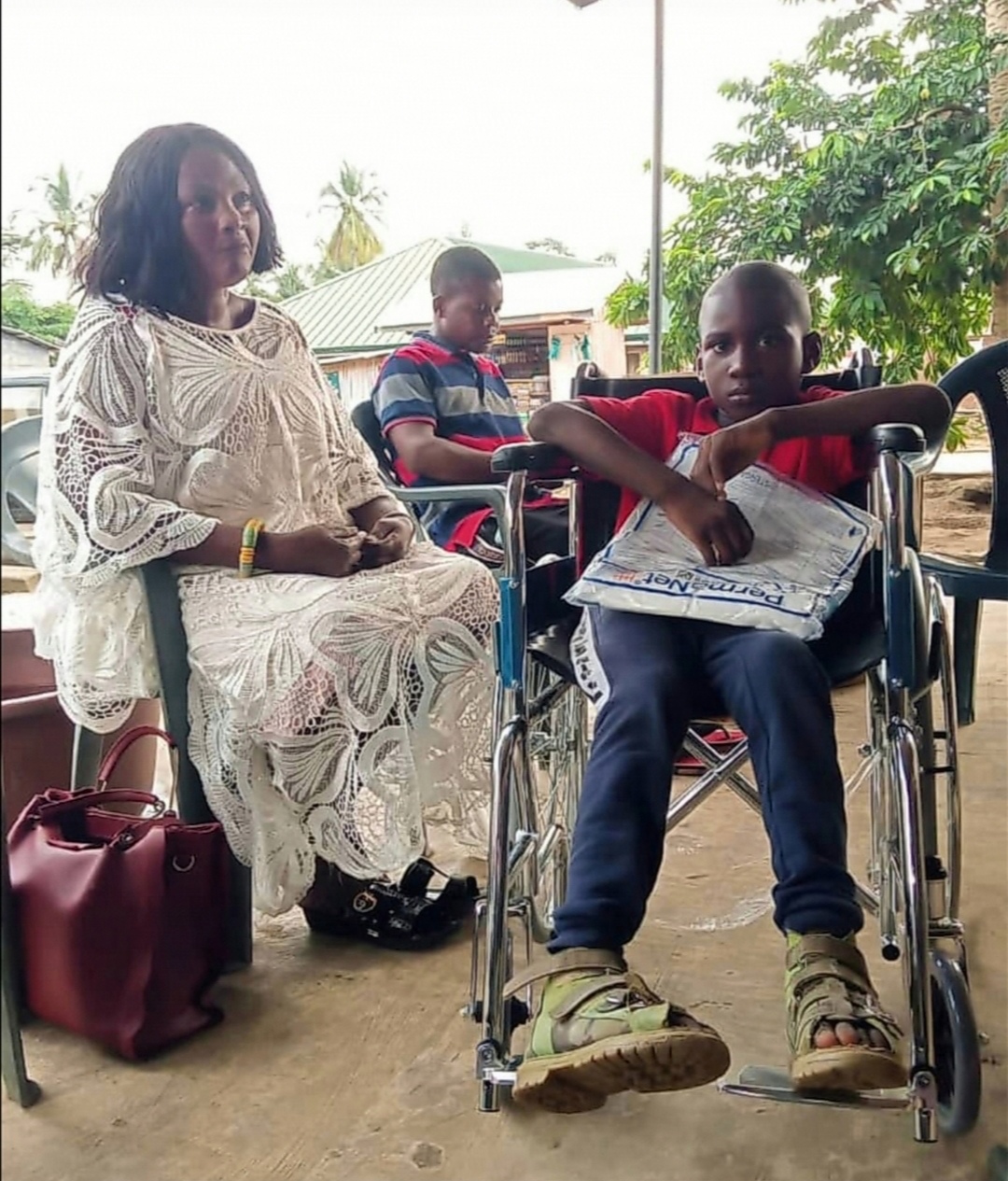
7-year-old Ivan Selase Hatse urgently seeks medical support to undergo orthopaedic surgery

At only seven years old, Ivan Selase Hatse is courageously battling a condition under circumstances that would be daunting for many adults. 

Living in Ho West District in the Volta Region of Ghana, Ivan is a Person Living with Physical Disability (PLWD) suffering from a leg deformity that needs corrective orthopaedic surgery.

Ivan’s case is an emblem of the countless struggles encountered by children with physical disabilities in underprivileged environments.

His leg deformity does not merely limit his movement but also hinders him from accessing education, social participation, and other opportunities that children of his age commonly enjoy.

His condition can only be remedied via orthopaedic surgery, which his family cannot afford without help.

Ivan unfortunately lost his dear mom barely a month ago. His father is currently on admission at the hospital, battling a mild stroke. All hope is lost as it stands; these sad developments compound his inability to go to school as expected of any normal child, which is even more worrying.

Orthopaedic surgery can correct deformities or disorders in the skeleton and its associated structures, thereby enabling sufferers like Ivan to lead a more normal life.

Orthopaedic treatment could significantly enhance Ivan’s quality of life, mobility, and future opportunities.

The cost, however, is a major obstacle. The expenses for such specialized procedures are substantial, not to mention the rehabilitation and aftercare that Ivan would need. Currently the cost of his medical surgery including other expenses are pegged at a staggering estimated sum of two hundred thousand Ghana cedis (GH₵200, 000) equivalent to $17,418.20.

Consequently, Mama Lynn Charity Foundation, the Human Rights Reporters Ghana-NGO, and Ivan’s family, including the local well-wishers, are now rallying support to facilitate his surgery.

They are reaching out to both individuals and organizations alike for donations and assistance. Their plight is not an isolated one – financial constraints regularly prevent vulnerable populations from accessing necessary medical interventions.

As their appeal echoes across the district and further into the country, it is becoming evident that the issue is reflective of a broader challenge. It underlines the need for comprehensive healthcare coverage that accounts for specialized treatments like orthopaedic surgery.

It also shines a light on the systemic issues of accessibility and affordability, especially for those in rural communities.

Throughout all this, Ivan remains hopeful. His spirit is unbroken, and his resolve is strong. However, to turn his hope into reality, it will require combined and concerted efforts from well-intentioned benefactors, healthcare institutions, and the government.

“By helping Ivan, we are not only transforming one life but potentially driving change that could improve health outcomes for similarly affected children throughout the Ho West District and beyond.

Let us stand in solidarity with Ivan and join the fight against healthcare inequality by contributing whatever we can and amplifying the call for assistance” says Mama Lynn Charity Foundation’s Founder, Madam Evelyn Agbese Wemegah.

“An opportunity to improve a child’s life sits before us. It is upon everyone in society to lend a hand where we can. Support for Ivan exemplifies the quintessential African philosophy of Ubuntu, showing that our humanity is interconnected.

Donating towards Ivan’s orthopaedic surgery is not just a charitable act, but an investment in a young boy’s future. Enabled to overcome his physical impediments, Ivan might grow up to be a contributor to his community and the nation at large.

His story reinforces the crucial need for a more inclusive, comprehensive, and accessible health care system that caters to all, irrespective of their socio-economic circumstances”, Joseph Kobla Wemakor, Executive Director of Human Rights Reporters Ghana has said.

“We are all duty-bound to ensure that Ivan Selase and his peers are not relegated to the margins due to conditions that can ideally be corrected.

No child should be left behind. As we strive to improve our societal infrastructure, let us not forget Ivan and others like him who can only dream of better days,” says a local sympathizer.

Any kind or monetary donation is appreciated. To help a good cause, please call +233 (0)548665114 or send an email to mamalynnfoundation@gmail.com.


Source:humanrightsreporters.com

Human Rights Reporters Ghana’s remarkable achievement is a shining example of positive impact – Joaquin Boston

The Chairman of Entreps: International Board of Global Actors and Business for Sustainability, Joaquin V. Boston, has praised the exceptional advocacy work of the Human Rights Reporters Ghana and its visionary founder, Joseph Kobla Wemakor.

The work of the Reporters resulted in their announcement as winners of the prestigious 5th UN Global Entreps Awards.

Mr. Boston lauded them for the remarkable achievement that stands as a shining example of the positive impact NGOs can make on society.

He asserted that this ought to inspire others to imitate their actions in order to contribute to the development of a better world for all.

“HRRG’s remarkable achievement stands as a shining example of the positive impact NGOs can make on society and encourages others to follow suit in creating a better world for all.”

The Entreps Chairman recently made this claim in a news release, reinforcing the two winners’ outstanding contributions to society, which are currently making headlines all over the world.

The vibrant Ghanaian NGO, Human Rights Reporters Ghana (HRRG), received the prestigious award for its Nationwide Sensitization Campaign on Kidnapping, Teenage Pregnancy, and Tramadol/Drug Abuse (‘KTT Project’).

The project was recognized as the ‘Best International Practice Award on Sustainability’ among 1,912 projects and enterprises from 126 countries competing for their implementation of the UN Sustainable Development Goals.

The organization’s dedication to promoting human rights awareness and protection has garnered commendation from various individuals, organizations, and institutions both within and outside Ghana.

The award ceremony, held in San Jose, Costa Rica, on July 15, 2023, was backed by Entreps-International Board of Global Actors and Business for Sustainability, with the support of 1,000 Global Jurors and in partnership with the UN75.

HRRG’s founder, Joseph Kobla Wemakor, who received the award, expressed gratitude for the prestigious honour, highlighting the importance of collective efforts in uprooting societal menaces. He noted that the organization remains steadfast in its mission to safeguard human rights and contribute to a safer and more progressive society.

“For HRRG to be acknowledged by the 1,000 Global Jurors of Entreps, Joaquin Boston, the Chairman of Entreps, and its Secretary-General, Raquel Torres, in collaboration with the United Nations as an awardee from Ghana, West Africa, to receive the revered global honor is a noteworthy accomplishment, confirming Ghana’s position in global sustainable practice and setting precedence for other NGOs and stakeholders in the region to emulate.

“It feels amazing to see our work recognized globally. But the real victory is witnessing the change and progress these communities make as a result of our constant efforts.”

The UN Global Entreps Awards honour outstanding initiatives, policies, institutions, start-ups, and entities that align with the UN Sustainable Development Goals.

The 5th edition of the Global Entreps Awards, launched in partnership with the United Nations to celebrate its 75th anniversary, showcases the organization’s commitment to sustainability and good governance.

According to Chairman Joaquin Boston, the Human Rights Reporters Ghana’s dedication to promoting human rights awareness and protection resonates perfectly with these goals, positioning Ghana as a global leader in sustainable practices.

“The recognition from the Global Entreps Awards marks a significant milestone for HRRG and Ghana as it demonstrates international support for their efforts in achieving sustainable change. This recognition is expected to inspire more stakeholders and governments to invest in preventive strategies and social initiatives to safeguard human rights and create a safer and more progressive society.

“In Entreps -The International Board of Business for Sustainability, we support these types of practices that promote and reinforce the UN SDGs -Sustainable Development Goals-.

“Additionally, we have had an agreement with the UN to promote together the SDGs, ever since January 2020.

“We are pleased to find and recognize best practices—projects and initiatives—such as the one carried out by Human Rights Reporters Ghana and its founder, Joseph Kobla Wemakor, a brave project in such a challenging society; their actions defend the role of women, from childhood to adulthood, and seek to end bad habits and practices that denigrate a large part of their society.

“We boost people as those who have carried out this project, for being deeply involved and dedicate a large part of their free time to changing – improving – the society to which they belong. Cheers to them, “Joaquín Boston posited.


Source:3news.com