Youth Groups Press for Stronger Accountability on Government Commitments at Accra Forum

Civil society organizations have renewed calls on government to intensify efforts toward fulfilling its commitments to young people, particularly in the areas of education, skills development, and employment.

While acknowledging some level of progress, the groups stressed that substantial gaps remain in the implementation of youth-focused promises.

The call was made at a Youth Accountability Forum organized by the Ghana Youth Manifesto Coalition in collaboration with the Foundation for Security and Development in Africa (FOSDA) and other partners, with support from OXFAM Ghana and ActionAid Ghana.

The forum was held under the theme “Tracking Commitments and Shaping Tomorrow.”

Speaking at the event, Programs Manager at FOSDA, Solomon Okai, emphasized the importance of sustained and critical monitoring of government commitments to young people.

He noted that although political campaign promises outlined more than 100 initiatives targeting the youth, only a few have been implemented so far.

“It is not enough to merely organize an accountability forum or bring young people together,” Mr. Okai said. “There must be continuous efforts to hold government accountable to its own promises, while critically examining how inclusive and impactful these interventions are.”

He further disclosed that the coalition intends to institutionalize the forum as an annual platform and produce analytical reports to track progress on youth-related manifesto commitments.

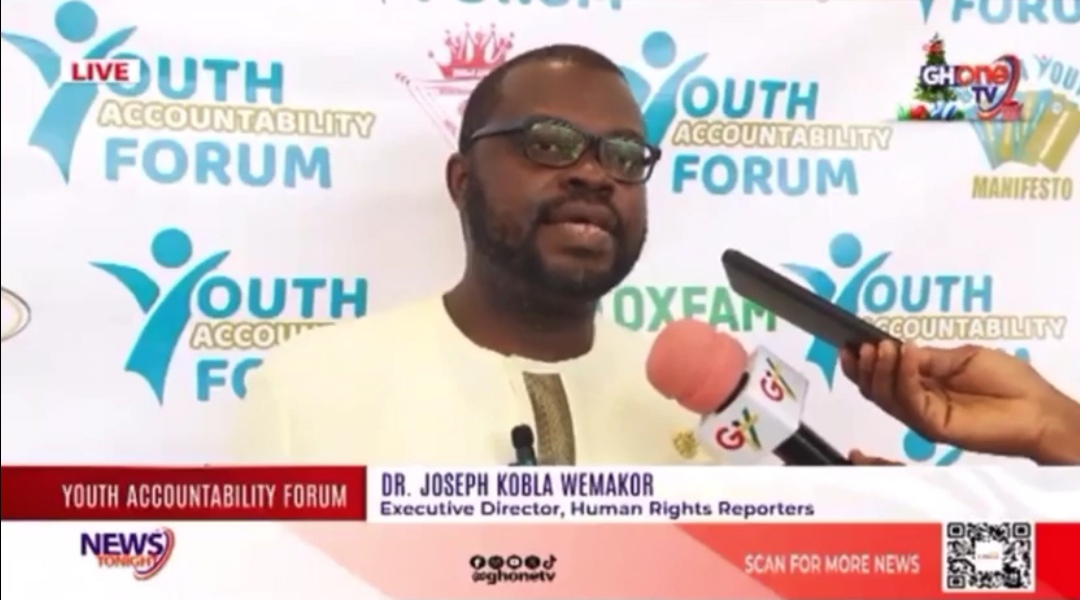
Also addressing the forum, Dr. Joseph Kobla Wemakor, Executive Director of Human Rights Reporters Ghana (HRRG) and Convener of the Youth Sub-Platform of the Ghana Civil Society Organizations Platform on the Sustainable Development Goals (SDGs), acknowledged the initial steps taken by government but insisted that more comprehensive action is needed.

“Based on the presentations made, it is clear that government has begun taking steps,” Dr. Wemakor stated. “However, there is still a long journey ahead. Youth empowerment cannot be achieved through promises alone.”

He dismissed arguments that it was too early to demand accountability, explaining that early scrutiny is crucial to ensuring the holistic implementation of manifesto commitments and sustainable youth development.

“They are making some progress, but government must move forward more decisively and ensure that all youth-centered promises are delivered holistically if we are to see meaningful development and empowerment for young people,” he added.

The forum brought together youth leaders, civil society organizations, and development partners to examine challenges affecting youth development and to strengthen youth voices in national policy discussions. Organizers indicated that the initiative is designed to influence policy decisions and deepen youth participation in governance.

The discussions were covered by GHOne TV, a subsidiary of the EIB Network, as part of broader efforts to draw national attention to issues of youth accountability.

Watch this video:

Ghana’s UN@80 Conference Reignites Civil Society–UN Alliance for Human Rights and Sustainable Development

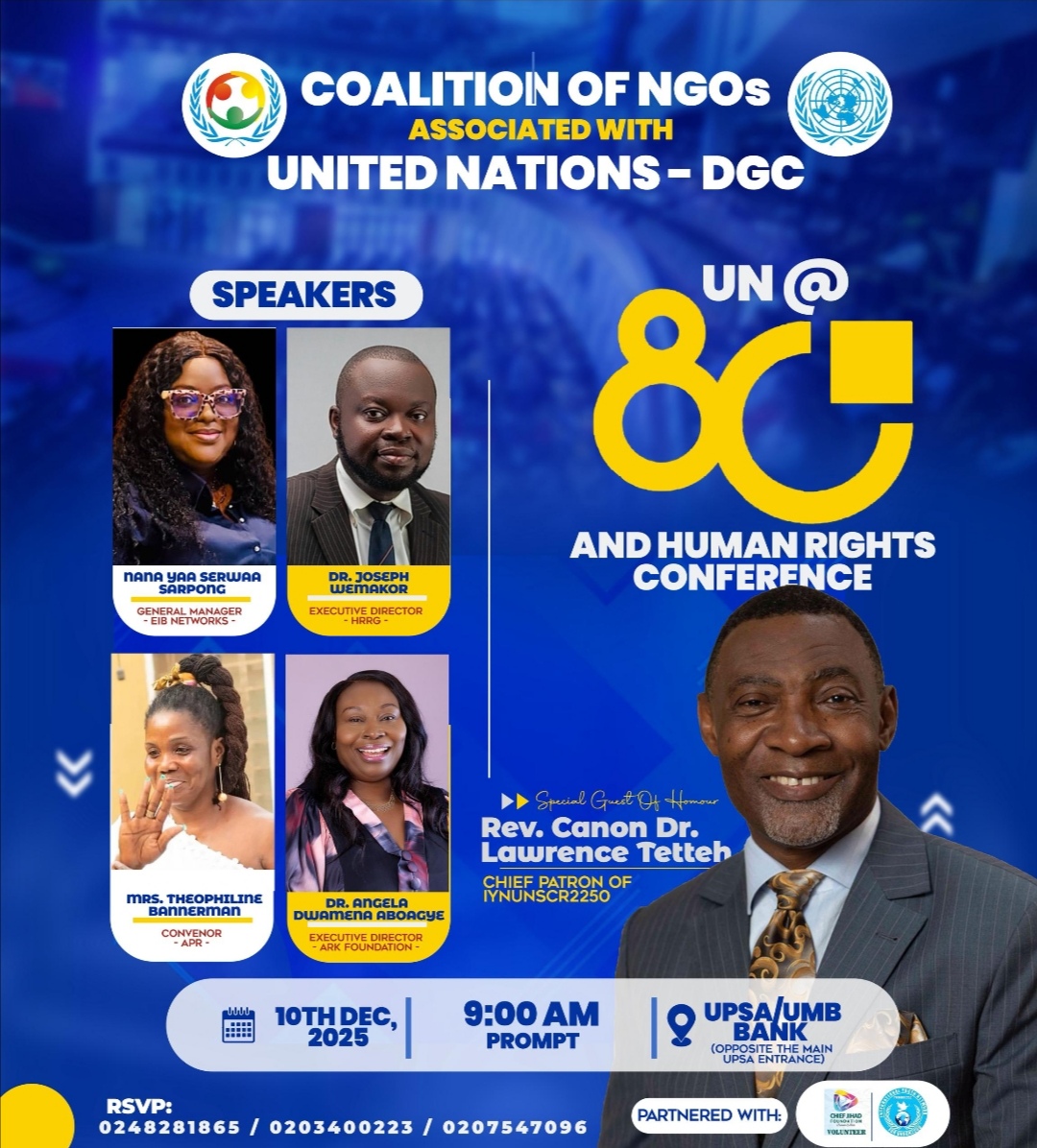
Ghana has marked the 80th Anniversary of the United Nations (UN@80) alongside the 2025 International Human Rights Day with a landmark National Civil Society Conference, held on Wednesday, December 10, 2025, at the University of Professional Studies (UPSA) Auditorium in Accra.

The high-level gathering reaffirmed and strengthened the vital partnership between civil society and the United Nations in advancing sustainable development, human rights, accountability, and inclusive governance at a time of growing global complexity.

Bringing together diplomats, civil society leaders, women’s rights advocates, academics, and youth groups from across the country, the conference underscored the indispensable role of civic actors in safeguarding human dignity and reinforcing multilateral cooperation.

Participants united around a shared commitment to ensure that development and governance remain people-centered, inclusive, and rights-based.

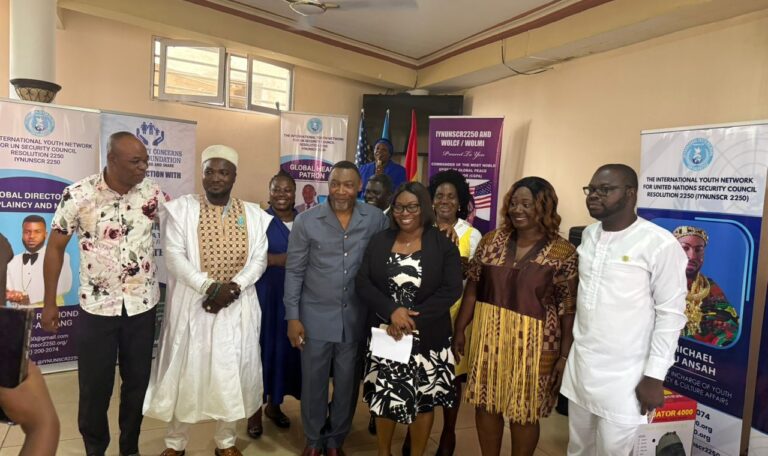
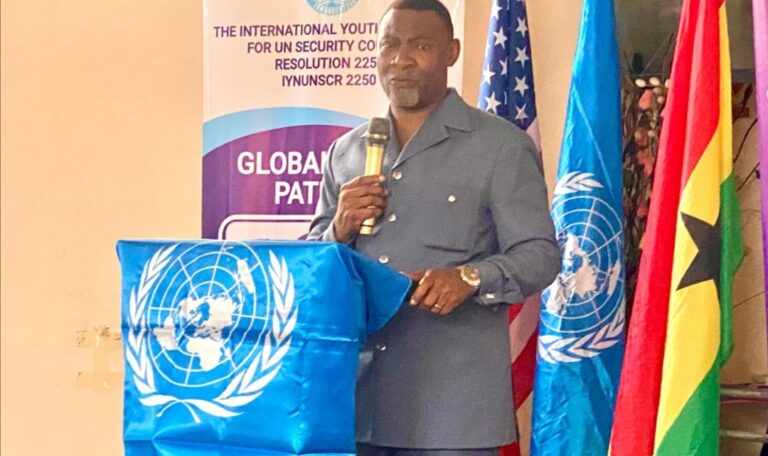
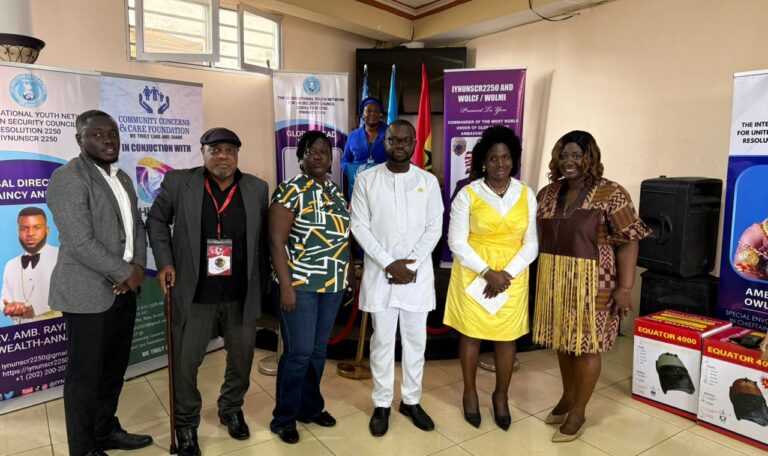
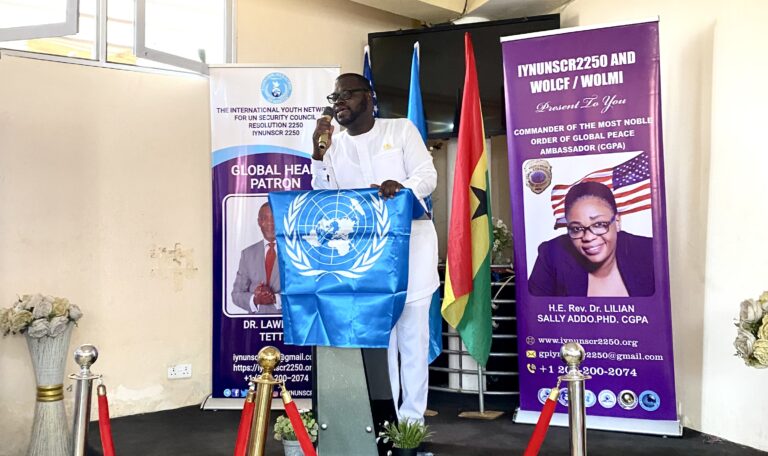
Delivering the keynote address as Special Guest of Honour, Rev. Canon Dr. Lawrence Tetteh, Chief Patron of the International Youth Network for United Nations Security Council Resolution 2250 (IYNUNSCR), highlighted the universality of human dignity.

He called on Ghanaians to reject all forms of discrimination, defend fundamental freedoms, and uphold interfaith harmony as a cornerstone of peaceful coexistence and national unity.

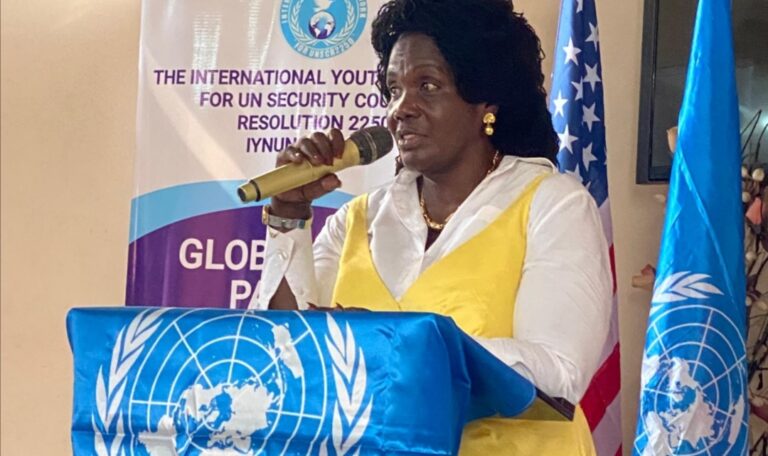
Addressing gender justice, Dr. Angela Dwamena Aboagye, Executive Director of The Ark Foundation, called for a stronger national commitment to gender equality, warning that persistent inequalities continue to undermine Ghana’s human rights gains.

She urged policymakers to reinforce law enforcement mechanisms, expand opportunities for women’s leadership, protect vulnerable populations, and strengthen families as a foundational pillar of human rights protection.

Dr. Dwamena emphasized that investing in women is an investment in society as a whole, noting that women shoulder the greatest burden of unpaid care and domestic labour while contributing disproportionately to national development.

The conference was organized by the Coalition of NGOs Associated with the United Nations Department of Global Communications (DGC) Ghana, with a strong thematic focus on gender equality, youth empowerment, and inclusive development as key drivers of sustainable development and democratic governance.

Mrs. Theophiline Bannerman, Convener of the Coalition of NGOs Associated with the UN DGC, described civil society as “the lifeblood of global cooperation,” stressing the indispensable role of non-state actors in holding governments accountable.

“Civil society is where the voices of the marginalized find resonance,” she said. “Our advocacy ensures that policies reflect the realities of ordinary people, not just the rhetoric of officials.”

She further called for deeper collaboration among civil society organisations, government institutions, and the UN system to confront pressing societal challenges, particularly those affecting women, children, and young people.

Providing a strong regional and continental perspective, Nana Yaa Serwaa Sarpong, Executive Director of EIB Network, emphasized the urgent need for greater investment in women’s participation across all sectors.

“For Africa to thrive, we must create spaces where women lead, innovate, and make decisions that shape our economies, communities, and governance,” she stated. “Gender equality is not just a women’s issue—it is a national imperative.”

Youth engagement featured prominently throughout the conference. Dr. Joseph Kobla Wemakor, Founder and Executive Director of Human Rights Reporters Ghana (HRRG), placed young people at the center of the human rights and sustainable development agenda.

He stressed that meaningful youth participation is not optional but “a development imperative in an era defined by climate threats, conflict, unemployment, digital risks, and shrinking civic spaces.”

Dr. Wemakor underscored that no nation can achieve the Sustainable Development Goals (SDGs) without empowering its youth, who represent the largest demographic in Ghana and across much of Africa.

Speaking also as Convener of the Youth Sub-Platform of the Ghana CSOs Platform on the theme “Youth Engagement in Advancing Human Rights and SDGs,” he outlined key challenges facing Ghanaian youth, including limited participation in policymaking, rising unemployment, digital misinformation, and increased vulnerability to drug abuse, violence, and radicalization.

Highlighting the impact of HRRG’s work, Dr. Wemakor referenced initiatives such as the Sensitization Campaign on Kidnapping, Teenage Pregnancy and Tramadol/Drug Abuse (KTT Project), which has reached and educated over 60,000 Ghanaians on critical issues including kidnapping, teenage pregnancy, and substance abuse.

“Youth are not just beneficiaries of policy; they are key agents of change. When young people are empowered, societies thrive,” he noted.

He called on government, civil society, development partners, and the UN system to adopt a bold, youth-centered agenda by institutionalizing youth participation, protecting civic freedoms, investing in innovation and digital literacy, strengthening partnerships, and prioritizing marginalized youth.

“Youth leadership is the engine of national progress. Token inclusion is not enough; we need real power-sharing and opportunities for the next generation,” he concluded.

The conference closed with a unified call for stronger collaboration among civil society, government, and global partners to advance human dignity, gender justice, youth empowerment, and sustainable development as the United Nations enters its next decade of global action.


‘Youth Must Lead or Ghana Loses’, Says Human Rights Reporters’ Dr. Wemakor at UN@80 Conference

Dr. Joseph Kobla Wemakor, Founder and Executive Director of Human Rights Reporters Ghana (HRRG), has called for bold, youth-centered action in Ghana, declaring: “Youth leadership is not optional; it is a development imperative.”

He delivered this message at the National Civil Society Conference held at the UPSA Auditorium, on Wednesday, December 10, 2025, marking the 80th Anniversary of the United Nations (UN@80) and the 2025 International Human Rights Day.

The landmark event brought together diplomats, civil society leaders, women’s rights advocates, academics, and youth groups, emphasizing the indispensable role of civic actors in safeguarding human rights, promoting gender equality, and strengthening multilateral cooperation.

Dr. Wemakor, also Convener of the Youth Sub-Platform of the Ghana CSOs Platform on the SDGs, placed young people at the heart of sustainable development, noting the challenges they face: limited participation in policymaking, rising unemployment, digital misinformation, and vulnerability to drug abuse, violence, and radicalization.

Highlighting the work of Human Rights Reporters Ghana, he referenced the Nationwide Sensitization  Campaign on Kidnapping, Teenage Pregnancy and Tramadol/Drug Abuse (KTT Project), which has educated over 60,000 Ghanaians on critical issues such as kidnapping, teenage pregnancy, and substance abuse.

“Youth are not just beneficiaries of policy; they are key agents of change. When young people are empowered, societies thrive,” he stressed.

Dr. Wemakor urged government, civil society, and the UN system to adopt a youth-centered development agenda—institutionalizing youth participation, safeguarding civic freedoms, investing in innovation and digital literacy, strengthening partnerships, and prioritizing marginalized youth.

“Token inclusion is not enough; we need real power-sharing and real opportunities for the next generation,” he emphasized.

The conference, organized by the Coalition of NGOs Associated with the UN Department of Global Communications (DGC) Ghana, also focused on gender equality, youth empowerment, and inclusive development, highlighting civil society’s pivotal role in advancing accountability and societal progress.

Rev. Canon Dr. Lawrence Tetteh, Chief Patron of the International Youth Network for United Nations Security Council Resolution 2250 (IYNUNSCR) and Special Guest of Honour, highlighted the universality of human dignity.

He called on Ghanaians to reject discrimination, defend freedoms, and uphold interfaith harmony as a cornerstone for national cohesion.

Dr. Angela Dwamena Aboagye, Executive Director of The Ark Foundation, underscored the urgent need for stronger national commitment to gender justice, noting that persistent inequalities continue to undermine Ghana’s human rights progress.

She urged enhanced law enforcement, increased women’s leadership, protection of vulnerable groups, and family support, stressing that investing in women is investing in society, as women bear the brunt of unpaid labor while contributing disproportionately to national development.

Mrs. Theophiline Bannerman, Convener of the Coalition of NGOs Associated with the UN DGC, described civil society as “the lifeblood of global cooperation.”

She emphasized that non-state actors are critical in ensuring policies reflect the realities of ordinary people, not just official rhetoric, and called for stronger collaboration between NGOs, government agencies, and the UN system, particularly on issues affecting women, children, and youth.

Nana Yaa Serwaa Sarpong, Executive Director of EIB Network, highlighted the importance of investing in women’s participation across all sectors.

“For Africa to thrive, we must create spaces where women lead, innovate, and make decisions that shape our economies, communities, and governance. Gender equality is not just a women’s issue—it is a national imperative,” she said.
She also announced the Women in Sustainability Africa Summit, slated for May 21, 2026, which aims to amplify women’s voices in policy, entrepreneurship, and climate action.

The conference concluded with a unified call for strengthened collaboration among civil society, government, and global partners to advance human dignity, gender justice, youth empowerment, and sustainable development, as the United Nations enters a new decade of global action.


UN@80 Summit: Dr. Wemakor to Empower Ghana’s Youth on Human Rights and SDGs

Ghanaian human rights defender, development communicator and peace ambassador, Dr. Joseph Kobla Wemakor, is set to inspire young people and civil society leaders at the UN@80 National Civil Society Conference in Accra on Wednesday, December 10.

He will deliver a keynote address on “Youth Engagement in Advancing Human Rights and the SDGs.”

The conference, hosted at the UPSA Auditorium, is part of global celebrations marking the 80th anniversary of the United Nations and UN Human Rights Day 2025.

Organized by the Coalition of NGOs Associated with the UN Department of Global Communications (DGC) Ghana, the event will bring together civil society leaders, government officials, youth representatives, international partners, and media professionals.

Participants will reflect on eight decades of UN achievements and explore pathways for inclusive human rights advocacy in Ghana.

Dr. Wemakor, Executive Director of Human Rights Reporters Ghana (HRRG) and Convener of the Ghana CSOs Platform on SDGs (Youth), has spent over a decade championing the rights of marginalized populations. Through HRRG, he has led initiatives addressing gender-based violence, child protection, and the rights of women, persons with disabilities, minority groups, and other vulnerable communities.

His work empowers these groups to understand and assert their rights, access justice, and participate in decisions that shape their lives, fostering a society where all individuals can live with dignity and security.

Beyond grassroots advocacy, Dr. Wemakor plays a strategic role in Ghana’s civil society sector.

He serves on the Steering Committee of the Ghana CSOs Platform on SDGs, heads its Youth Sub-Platform representing over 500 organizations, and contributes to the Advocacy Technical Committee for Ghana’s draft Non-Profit Organization (NPO) Bill, ensuring reforms strengthen civic space and support NGOs serving vulnerable populations.

Dr. Wemakor has also represented Ghana on numerous high-level international platforms, including the United Nations High-Level Political Forum, the Pan-African Human Rights and Social Justice Conference, and the Africa Civil Society AML/CFT Conference in Botswana.

In 2025 alone, he served as Special Guest of Honor at the Farmers Care Program in Yilo Krobo, delivering a keynote on human rights, civic engagement, and protection of marginalized communities.

He further contributed as a speaker at the West Africa Civil Society Week, sharing insights on youth engagement, civic participation, and protecting vulnerable populations.

His remarkable work has earned wide recognition. Dr. Wemakor is the recipient of the prestigious 5th UN Global Entreps Award, the Africa Peace Advocate Award (2023), and was a finalist for the African Human Rights Defenders Shield Award (2023).

His journalism has also been celebrated, including the National Migration Media Award (2018) and acknowledgment by the Ghana Institute of Journalism for reporting on the UN SDGs.

Most recently, he was named one of Ghana’s 100 Most Impactful Change Makers for 2024, highlighting his transformative contributions to human rights, youth empowerment, and social justice.

At the UN@80 Civil Society Conference, Dr. Wemakor will highlight the critical role of youth in advancing human rights and the Sustainable Development Goals.

He aims to inspire action to empower women, children, persons with disabilities, minority groups, and other marginalized communities across Ghana.

As Ghana joins the global celebration of eight decades of the United Nations, Dr. Joseph Kobla Wemakor stands at the forefront, advocating for youth leadership, civil society engagement, and inclusive participation in building a just and equitable society.

Dr. Wemakor Calls for United Youth Front as GYF Validates National Strategic Action Plan

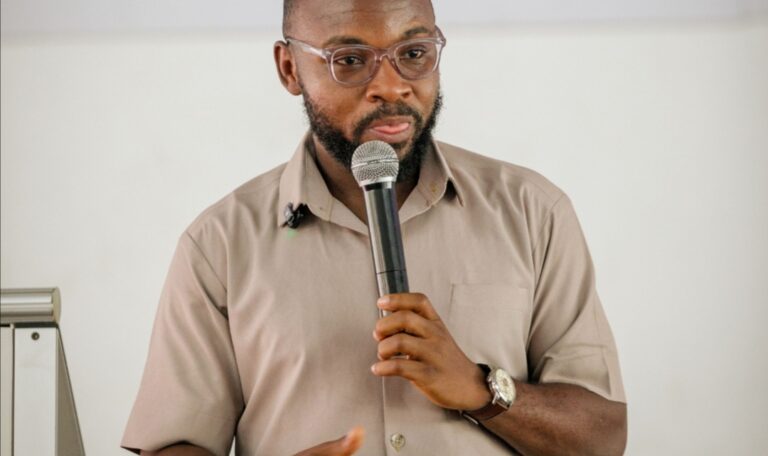
Dr. Joseph Kobla Wemakor, Executive Director of Human Rights Reporters Ghana (HRRG) and Convener of the Youth Sub-Platform of the Ghana Civil Society Organizations Platform on the SDGs, has called on Ghana’s youth to embrace unity and strategic action in driving national development.

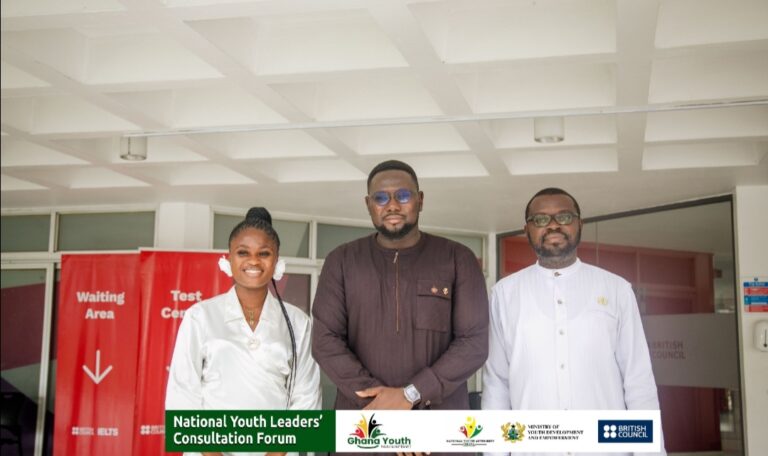
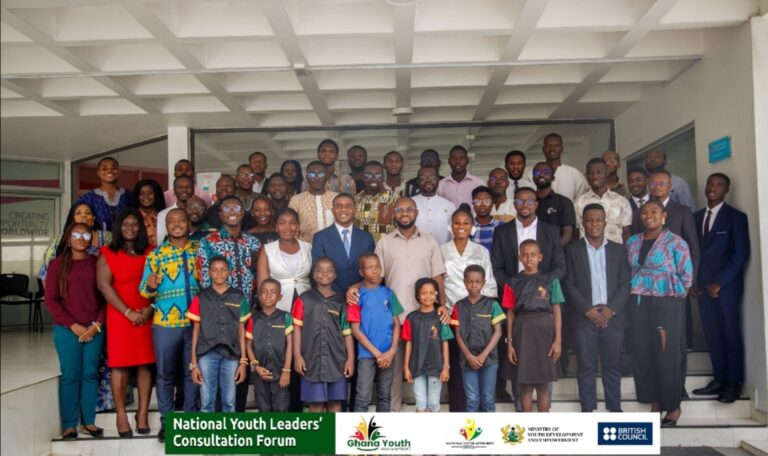
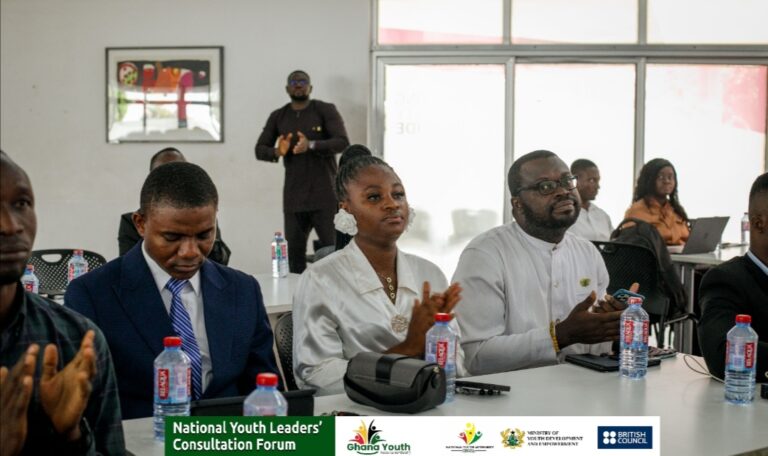
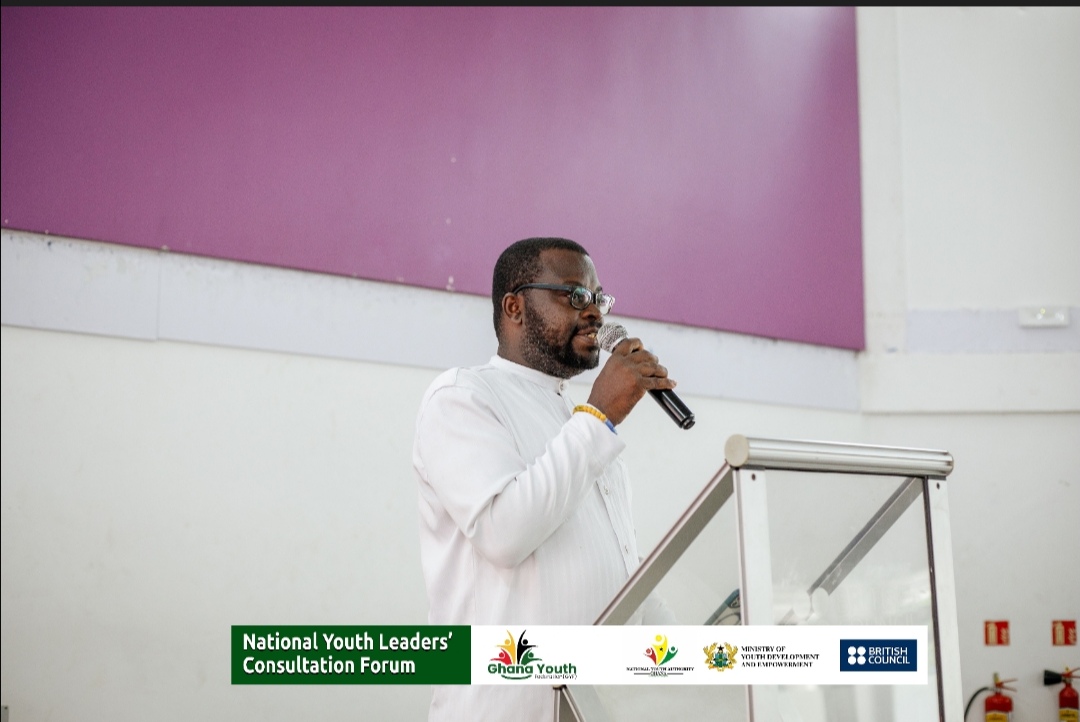
He delivered the message at the National Youth Leaders Forum organized by the Ghana Youth Federation (GYF) at the British Council Auditorium in Accra on 4th December 2025, during the validation of the Federation’s National Strategic Action Plan (NSAP).

Speaking to a gathering of youth leaders, civil society actors, development partners, and institutional representatives from across the country, Dr. Wemakor emphasized that youth empowerment is a right, not a privilege.

He urged that the NSAP must be more than a document—it must actively guide policy, amplify youth voices, and deliver real, measurable change for young people nationwide.

“This is a moment of alignment, reflection, and shared responsibility. We are here to shape a plan that speaks to the aspirations, struggles, and limitless potential of Ghana’s youth. A plan that must not sit on shelves but actively influence policy, empower young leaders, and drive institutional responses to the real needs of our youth,” Dr. Wemakor said.

He highlighted the importance of structured, non-partisan, youth-led governance anchored in the National Youth Authority Act (Act 939) and urged youth leaders to ensure the NSAP addresses youth employment, entrepreneurship, human rights, ethical leadership, and inclusive participation in achieving the Sustainable Development Goals. Dr. Wemakor also called for strong partnerships to create global opportunities for all Ghanaian youth.

“Let today remind us that the future we envision depends on the choices we make, the courage we demonstrate, and the unity we build.

The NSAP will only be as strong as our collective will to implement it,” he declared, pledging the full support of HRRG and the Youth Sub-Platform to ensure the Plan becomes a living, transformative tool for Ghana’s youth.

The Forum also heard from Mr. Ali Ibraheem, National Coordinator of GYF, who presented the draft NSAP.

He explained that the Plan, developed after a strategic retreat following the Federation’s activation in September, had been shared with youth leaders via a dedicated WhatsApp platform to ensure broad participation.

Mr. Ibraheem outlined the realities shaping the Plan: 73% of Ghana’s population is under 35, yet only 4% of youth groups are formally registered; youth unemployment is rising; and 60% of young people lack digital literacy. Anchored in the African Union’s Agenda 2063 and national policies, the Plan focuses on representation, empowerment, policy advocacy, and civic participation, supported by pillars of institutionalization, district mobilization, youth diplomacy, and flagship programs—including the Ghana Youth Index Report.

The roadmap includes activating youth structures in all 267 districts by the end of 2026, participation in Technical Working Groups to refine the NSAP, and transparent governance guided by the District Regional Governance (DRGs) Charter, ensuring elections and leadership transitions are free from political interference.

The Plan’s funding model targets GHS 5.83 million through government allocations, private sector contributions, and international partners, including ongoing collaboration with UNFPA.

Mr. Sherif Ghali, President of GYF, warned that disunity among youth organizations is the biggest threat to collective influence. “We have a very developed youth ecosystem, but it is weak. Our problem is unity,” he stated, pledging engagement with national authorities to present a unified youth agenda.

Mr. Osman Abdulai Ayariga Esq., CEO of the National Youth Authority, praised the Federation’s independence under Act 939, noting that unity among youth organizations multiplies influence rather than diminishes it.

Representing the National Entrepreneurship and Innovation Programme (NEIP), Mr. Casper Sunday Capoli highlighted the entrepreneurial drive of Ghanaian youth, noting that seven out of ten young people aspire to start businesses.

He urged collaboration over parallel initiatives and announced NEIP’s training programs for 10,000 young people.

Dr. Elom Hillary Otchi, Technical Director at the Africa Institute of Healthcare Quality Safety and Accreditation, challenged youth leaders to move from policy drafting to policy implementation, emphasizing digital literacy, accountability, and forward-looking skills as essential for preparing young people for a rapidly evolving world.

The National Youth Leaders Forum concluded with a strong message: unity, strategic action, and a shared commitment to empowering Ghana’s youth.

Dr. Wemakor’s lead call for cohesion, combined with the Federation’s comprehensive NSAP, sets the stage for a coordinated, empowered, and impactful youth sector across all 267 districts of Ghana.

Dr. Wemakor Calls for Stronger CSO Collaboration to Bolster Peace and Security at WACS Week 2025

The Executive Director of Human Rights Reporters Ghana (HRRG), Dr. Joseph Kobla Wemakor, has urged civil society organizations (CSOs) across Africa to strengthen collaboration and unity to promote sustainable peace, security, and justice.

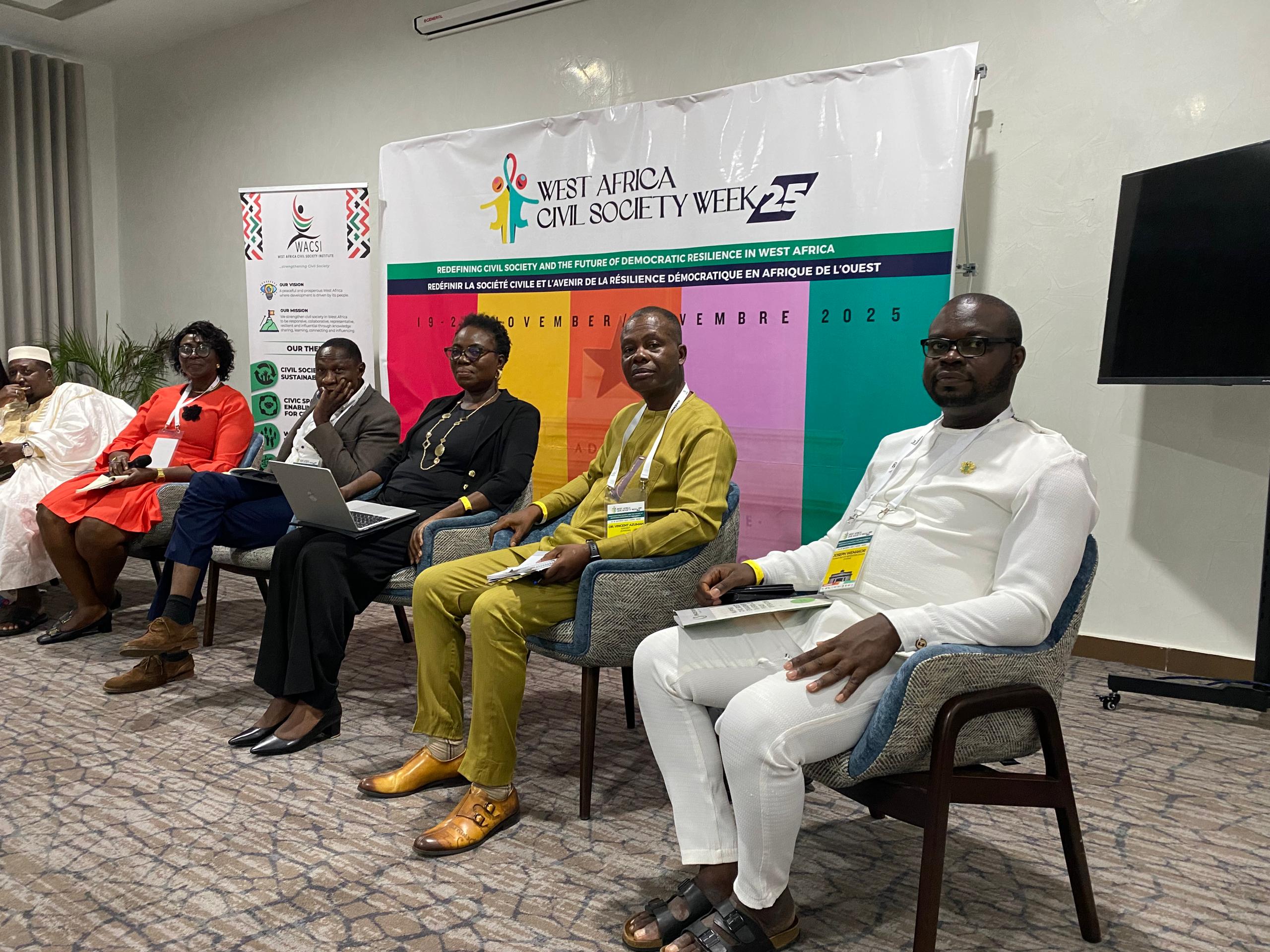
He made the appeal while speaking as a panelist at the 3rd West Africa Civil Society Week (WACS Week 2025), held from 19–20 November at The Palms by Eagle Hotel, Accra.

The two-day event brought together over 300 civil society actors, peacebuilders, human rights advocates, and youth leaders from more than 10 West African countries.

Featuring 15 interactive sessions and two plenaries, the program provided participants with platforms to engage in discussions on civic space, governance, peace, and security challenges across the region.

Peace, Security, and Justice Imperatives Dr. Wemakor contributed to Session 3(b) on “Peace, Security and Justice Imperatives”, hosted by the West Africa Network for Peacebuilding (WANEP) and chaired by Dr. Vincent Azumah, Head of Monitoring and Evaluation at WANEP.

Addressing peacebuilders, civic activists, and regional policymakers, Dr. Wemakor highlighted several structural challenges facing Africa-led peace and counterterrorism operations, including poor coordination, limited resources, and weak leadership. He urged CSOs to collaborate, support one another, and unite to complement governments and other stakeholders in achieving sustainable peace, security, and justice.

Evidence-Based Call to Action

Dr. Wemakor’s recommendations were informed by findings from the 50-page report, Mapping Civil Society Engagement in Africa-Led Peace Operations, published by Spaces for Change (S4C).

The research comprehensively maps CSO contributions across conflict-affected regions, covering counterterrorism initiatives, peacebuilding, community engagement, capacity-building, and humanitarian actions.

He dedicated the report to civil society actors, policymakers, government institutions, and the public, urging all to read it and take informed action.

The findings underscore gaps in civil society participation at the policy level and the urgent need for CSOs to be meaningfully included in the design and implementation of security initiatives.

Dr. Wemakor further stressed that Africa’s leadership crisis is structural, not just political, calling for bottom-up sensitization to transform leadership practices across civic, governmental, and intergovernmental institutions.

Expert Panel Discussion Dr. Wemakor shared the panel with:

Dr. Nansata Yakubu, Director, West Africa Programme, Conciliation Resources

Mr. Kop’ep K. Dabugat, Governance, Peace, and Security Expert, Nigeria

Mr. EI Moctar Cisse, President, Collectif Cri du Coeur (CCC), Mali

Mrs. Joy Anima Debrah, Senior Public Education Officer, Commission on Human Rights and Administrative Justice (CHRAJ)

The panel engaged in a robust discussion on the importance of CSO involvement in peace operations and how civil society can strengthen accountability, justice, and preventive action in fragile contexts.

Democracy and Civic Space Under Threat

The role of civil society was highlighted by Ambassador Abdel-Fatau Musah (PhD), ECOWAS Commissioner for Political Affairs, Peace and Security, who warned at the opening plenary that democracy in West Africa faces threats from rising insecurity, governance failures, and shrinking civic space.

Other prominent voices included:

H.E. Mohamed Ibn Chambas, AU High Representative for Silencing the Guns, calling for democracy that delivers social protection beyond elections

Dr. Nana Afadzinu, Executive Director, WACSI, urging value-driven civil society action, transparency, and sustainable funding

Sola Sam-Adeniyi, Spaces for Change, highlighting violent extremism and suppression of freedoms, and advocating local solutions and strengthened capacities

Onyinye Onyemobi, Ford Foundation, emphasizing that hope is the oxygen of democracy

Nana Oye Bampoe Addo, Deputy Chief of Staff to Ghana’s President, advocating ethical engagement, community-centered peacebuilding, and multi-stakeholder partnerships

The closing plenary reaffirmed the critical role of empowered civil society in safeguarding democracy and peace across West Africa.

Key Takeaways from WACS Week 2025

  • Strengthen local accountability and rebuild trust in grassroots communities
  • Adopt sustainable funding models and deepen institutional capacity
  • Elevate youth and women’s participation in civic processes
  • Use technology responsibly to expand civic space and accountability
  • Promote regional cooperation for judicial reform, governance, and anti-corruption

These takeaways reflect Dr. Wemakor’s central message that civil society is not just a partner but a critical anchor for peace and democratic resilience in Africa.

About WACS Week

The West Africa Civil Society Week (WACS Week) is an annual gathering that examines the health of civic space in the region while exploring practical pathways to enhance civil society effectiveness and democratic sustainability.

The 2025 edition, co-hosted by WACSI, Spaces for Change, and the Civil Society Resource Hub, with support from the Ford Foundation, featured 15 sessions and two plenaries, providing multiple platforms for discussion, networking, and cross-regional learning.


HRRG’s Executive Director, Dr. Joseph Wemakor, Leads Dialogue on Land Rights at Eminence Lead International’s Farmers Care Program

Farmers within the Yilo Krobo Municipality of Ghana’s Eastern Region are set to benefit from an empowering capacity-building event on Friday, November 7, 2025, as Eminence Lead International launches the much-anticipated Farmers Care Program at the YKMFA Conference Hall, located at Yilo Krobo Senior High School, Somanya.

Under the theme “Sustainable Agriculture Business Practice for Robust Agriculture Development,” the workshop aims to equip farmers with practical knowledge, innovative tools, and actionable insights to enhance productivity, adopt sustainable practices, and align their work with Ghana’s broader agricultural and environmental objectives.

The initiative enjoys strong institutional backing from two of Ghana’s leading agricultural partners—the Agriculture Development Bank (ADB) and the Ghana Cocoa Board (COCOBOD)—both of which play a crucial role in driving agricultural transformation across the country.

Gracing the occasion as Special Guest of Honor will be Dr. Joseph Kobla Wemakor, the distinguished Executive Director of Human Rights Reporters Ghana (HRRG).

Dr. Wemakor is expected to deliver a thought-provoking presentation on “Understanding Land Rights and Laws as a Farmer,” a timely and vital topic that addresses one of the most important pillars of sustainable and equitable agricultural development.

A tireless advocate for farmers’ welfare and human rights, Dr. Wemakor has built a reputation as a peace ambassador, journalist, development communicator, and human rights defender.

For over a decade, he has worked extensively to empower farmers, rural communities, and marginalized groups through advocacy, education, and strategic partnerships.

As the Founder and Executive Director of HRRG, he has led nationwide campaigns addressing issues such as land rights, environmental protection, child labour in agriculture, climate adaptation, and responsible agribusiness practices. His work continues to shape national dialogues on sustainable agriculture and inclusive development.

Beyond agriculture, Dr. Wemakor’s influence extends into broader national and international development spaces. He currently serves on the Steering Committee of the Ghana Civil Society Organizations Platform on the Sustainable Development Goals (SDGs) and convenes its Youth Sub-Platform, representing over 500 organizations committed to inclusive growth and social justice.

Additionally, as a member of the Advocacy Technical Committee contributing to Ghana’s draft Non-Profit Organization (NPO) Bill, Dr. Wemakor plays an instrumental role in ensuring that civil society organizations operate freely and effectively within Ghana’s legal framework.

His thought leadership has earned him invitations to prestigious global forums, including the United Nations High-Level Political Forum, the Pan-African Human Rights and Social Justice Conference, and the Africa Civil Society AML/CFT Conference in Botswana, among others.

Through these platforms, Dr. Wemakor continues to advocate for good governance, ethical leadership, and sustainable development, solidifying his place among Ghana’s most respected voices for social change.

Dr. Wemakor’s outstanding contributions have been recognized both locally and internationally. His numerous honors include the UN Global Entreps Award, the Africa Peace Advocate Award (2023), and recognition as a finalist for the African Human Rights Defenders Shield Award (2023).

In the field of journalism, he has earned distinctions such as the National Migration Media Award (2018) and recognition by International Business Woman Magazine (Ukraine) for his advocacy for gender equality.

He holds a Doctorate in Executive Leadership in Humanity from the International Kingdom University, USA, and continues to use his platform to promote human dignity, equitable access to resources, and sustainable livelihoods for all.

The Farmers Care Program promises to be a transformative gathering, uniting farmers, policymakers, and industry experts to explore practical strategies for building resilient agricultural systems.

Other distinguished speakers include Dr. Felix Kwame Appiah, Technical Manager (Operations) at COCOBOD, and Mr. Nicholas Nikoi, Unit Head of Agromarketing and Sales at ADB.

Wemakor receives global honor for lifelong commitment to community development

Celebrated Ghanaian journalist and human rights activist, Joseph Kobla Wemakor, has been awarded the prestigious Global Doctoral Humanitarian and Ministerial Excellence Award 2024 by the Board of Regents of the International Kingdom University in Margate, Florida, USA.

This recognition highlights his outstanding leadership and unwavering commitment to humanitarian service.

In the award notification, the Selecting Committee expressed admiration for Wemakor’s lifelong dedication to community development, stating, “We consider it worthwhile to officially confer this honor upon you after a careful study and monitoring of your lifestyle and social work.”

They commended his exemplary character and significant contributions to both his community and country, recognizing him as “a noble personality with integrity who deserves this great highest academic achievement.”

Wemakor, the founder and Executive Director of Human Rights Reporters Ghana (HRRG), has made remarkable strides in media advocacy, uniting journalists, editors, lawyers, and human rights defenders to promote social justice.

He is also a prominent advocate for the United Nations Sustainable Development Goals (SDGs) and serves as the Convener of the Ghana Civil Society Organizations (CSOs) Platform on SDGs (Youth sub-platform).

An honorary graduate of the Ghana Institute of Journalism (GIJ) and a fellow of the Bloomberg Media Initiative Africa Financial Journalism Program, Wemakor’s impressive accolades include the 5th UN Global Entreps Awards, the Africa Peace Advocate Award in 2023, and recognition as a finalist for the 2023 African Human Rights Defenders Shield Award and the African Rising Activism Award 2020 (Movement of the Year Category).

During the ceremony, Rev. Dr. Christian Heim, Chancellor of International Kingdom University, addressed the audience, stating, “It’s my privilege to stand before you today… to celebrate exceptional leaders and citizens who have made significant contributions to humanity.”

He emphasized the importance of honoring living leaders, saying, “We believe in honoring the living rather than the deceased.” Rev. Dr. Heim expressed gratitude to those who made the event possible and appealed for support to establish a permanent campus for International Kingdom University in Ghana, highlighting, “We are investing in people that we have no clue until we train them that they might achieve great things.”

He continued, “Your support will enable us to create a hub for academic excellence, innovation, and leadership development,” and encouraged contributions, reminding attendees, “You don’t sow good seed in bad ground. You sow good seed in good ground that produces a good harvest.”

Dr. Francis Essel Okyeahene, Chairman of the Governance & Development Committee, also delivered an inspiring speech.

He welcomed all attendees, remarking, “You are all welcome. My mission here is to welcome you.”

He emphasized the significance of the Global Doctoral Humanitarian Excellence Award’s 24th edition and expressed pride in conferring honorary degrees on outstanding individuals who have demonstrated exceptional leadership, innovation, and compassion.

Among those recognized alongside Dr. Joseph Kobla Wemakor were notable figures such as Ing. George Asiedu, Project Coordinator of the Greater Accra Metropolitan Area (GAMA) Sanitation and Water Project, Dela Gomado, Torgbui Ogidigah Prosper, Apostle Michael Akesseh, and many others, including Rt. Rev. Samuel Ashmond Mensah and Prophet Kingsford Aidoo Maxwell.

Archbishop General Obenfo George Slezer Ofori-Atah also shared his thoughts during the ceremony, stating, “I want to talk a little on embodying leadership, inspiring transformation, and embodying excellence.”

He highlighted the significance of the honorary doctorate, saying, “The honorary doctorate in executive leadership that you are about to receive is a testament to exceptional leadership and achievement.”

He urged the honorees to recognize their power to shape cultures and transform lives, emphasizing, “Leadership is not just a title; it is a way of being.”

Wemakor’s latest honor is a testament to his tireless efforts in journalism, humanitarian advocacy, and the promotion of human rights in Ghana and beyond.

He believes his hard work, dedication, and contribution towards activism over decades have been rewarded.

“This is a monumental achievement that has transformed my life. With deep honor and gratitude, I want to say a big thank you to the Board of Regents at the International Kingdom University, including its Selecting Committee, for this great honor.”

Wemakor’s latest honor is a testament to his tireless efforts in journalism, humanitarian advocacy, and the promotion of human rights in Ghana and beyond.

Reflecting on his recognition, he stated, “This is a monumental achievement that has transformed my life. With deep honor and gratitude, I want to say a big thank you to the Board of Regents at the International Kingdom University, including its Selecting Committee, for this great honor.”

As Dr. Okyeahene concluded, “They will honor you before you die. You will be a brother of God before you die. Your children will be okay.”

This powerful message resonated deeply with the audience, celebrating the impact of all honorees and reinforcing the importance of their work in contributing to a better society.


Dr. Joseph Wemakor to discuss leadership and humanitarian issues on Metro TV’s Morning Rush

On Tuesday, November 19, 2024, from 5:30 AM to 7:30 AM, viewers are encouraged to tune in to Metro TV’s “Morning Rush” for an enlightening discussion featuring Dr. Joseph Kobla Wemakor, a distinguished journalist and human rights advocate.

In this live interview, Dr. Wemakor will share insights about his recent accolade—the Global Doctoral Humanitarian and Ministerial Excellence Award 2024. This recognition highlights his commitment to acknowledging leaders and citizens who have positively impacted society in the 21st century.

Dr. Wemakor’s contributions to leadership and humanitarian efforts have not gone unnoticed.

He has been honored by the Board of Regents at the International Kingdom University in Florida, USA. The Selecting Committee commended his dedication, stating, “We consider it worthwhile to confer this honor upon you after a careful study of your lifestyle and social work.” They emphasized his exemplary character and significant influence on both his community and his country.

As the founder and Executive Director of Human Rights Reporters Ghana (HRRG), Dr. Wemakor has played a crucial role in uniting journalists, editors, lawyers, and human rights advocates in the quest for social justice.

His passion for the United Nations Sustainable Development Goals (SDGs) is evident in his role as the Convener of the Ghana Civil Society Organizations (CSOs) Platform on SDGs (Youth sub-platform).

Dr. Wemakor’s academic achievements include being an honorary graduate of the Ghana Institute of Journalism (GIJ) and a fellow of the Bloomberg Media Initiative Africa Financial Journalism Program.

His accolades are numerous, including the 5th UN Global Entreps Awards and the Africa Peace Advocate Award in 2023.

He was also recognized as a finalist for the 2023 African Human Rights Defenders Shield Award and the African Rising Activism Award 2020 in the Movement of the Year category.

His upcoming appearance on “Morning Rush” promises to provide valuable insights into his unwavering commitment to journalism and humanitarian advocacy.

Dr. Wemakor will emphasize the importance of celebrating individuals who strive to make a positive difference in society.

Don’t miss this opportunity to gain inspiration from a true leader in the field!

Advancing inclusivity and diversity in Ghanaian universities: Key takeaways from recent CDD-Ghana workshop

Accra, Ghana, September 11, 2024—The Center for Democratic Development (CDD-Ghana) recently hosted a pivotal workshop aimed at addressing human rights, inclusivity, and diversity within university settings. Held at the Erata Hotel in Accra.

The event brought together deans of students, counselors, and student leaders to engage in meaningful discussions surrounding these critical issues.

Profound insights were shared during the opening presentation by Professor Audrey Gadzekpo, Board Chair of CDD-Ghana and Dean of the School of Information and Communications Studies at the University of Ghana.

Her presentation, titled “Communicating on Diversity and Inclusion: Protecting Private and Confidential Data,” highlighted the pressing need to safeguard students’ privacy while fostering an environment conducive to inclusivity.

Professor Gadzekpo pointed to alarming incidents of discrimination and violence experienced by students with disabilities and members of the LGBTQI community, underscoring the necessity for universities to broaden their definitions of inclusivity.

“The university is a bit gun-shy right now about really expanding on how they define inclusivity and diversity. We must consider all forms of difference, including gender, social demographics, and sexual orientation,” she noted in a subsequent interview.

To address these challenges, Professor Gadzekpo called for proactive initiatives, such as awareness campaigns that promote respect and tolerance on campuses. “Institutions must send strong signals about their dedication to inclusivity,” she stressed, advocating for comprehensive social issues management plans that enhance sensitivity to crises and communication in educational settings.

Emerita Professor Takyiwaa Manuh, a Senior Fellow at CDD-Ghana, also contributed invaluable perspectives during her presentation on human rights and diversity in higher education. “The university is not a secondary school; it is a place for adults,” she emphasized, advocating for environments that encourage open dialogue and fearless self-expression.

She highlighted the importance of educating students not only on their rights but also on the broader human rights context. Professor Manuh urged universities to implement human rights-compliant policies and support services that create a safe and inclusive atmosphere for all students. “Comprehensive policies that protect LGBTQ+ individuals from discrimination within educational institutions are essential for upholding their right to education,” she asserted.

Further enriching the workshop, Professor Kwadwo Appiagyei-Atua from the University of Ghana School of Law and Director of the Africa Coalition for Academic Freedom addressed the vital role of academic freedom in promoting a diverse educational experience.

“Academic freedom is not solely for faculty; it also encompasses students’ rights to engage in robust discussions and debates,” he stated, emphasizing that a secure environment for expression enhances learning and critical thinking.

Dr. Michael Augustus Akagbor, a Senior Programs Officer at CDD-Ghana, remarked on the workshop’s timeliness, noting that many attendees, including deans of students, had not yet engaged with significant legislative changes affecting student rights.

“It is concerning that many participants were unfamiliar with such a pivotal bill,” he commented, urging public officials to separate personal biases from their responsibilities, especially in sensitive contexts.

The workshop fostered dynamic discussions that illuminated the divergent perspectives on LGBTQI rights and the experiences of sexual and gender minorities. While several participants passionately advocated for the recognition and protection of these rights, others expressed discomfort, revealing a notable divide on the topic of inclusivity in university settings.

“It has worked out well for me, but we need to engage in more conversations to fully understand these issues,” one participant said, highlighting the need to recognize the LGBTQI community as a vital component of society.

As the workshop concluded, Dr. Akagbor expressed optimism about the potential for increased dialogue and advocacy for inclusivity on campuses.

He emphasized that fostering an empowering environment would allow students to feel safe reporting issues such as sexual harassment.

The event ended with a collective call for sustained engagement among stakeholders, reinforcing the commitment to inclusivity and diversity, and ensuring that universities in Ghana evolve into safe and respectful spaces for all students.