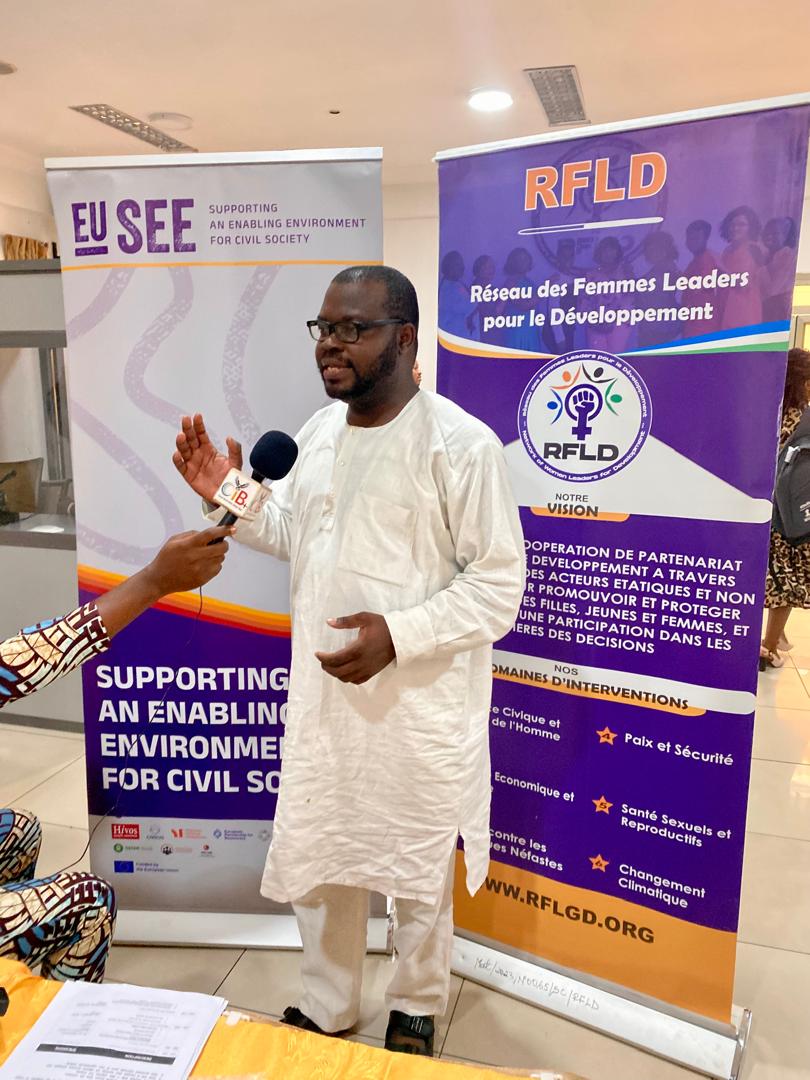
Dr. Joseph Kobla Wemakor, Executive Director of Human Rights Reporters Ghana (HRRG), has praised the recently concluded high-level training on Human Rights Risk Detection, Early Warning, and Advocacy in Africa as both insightful and transformative.

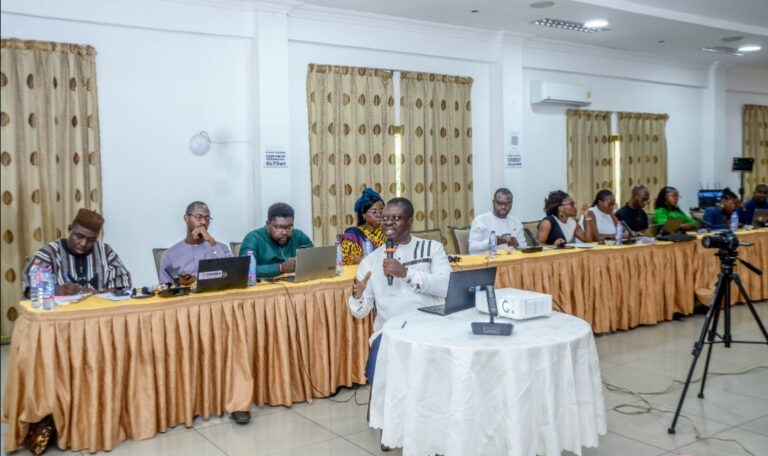
The two-day workshop, organized by the Network of Women Leaders for Development (RFLD), was held from November 14–15, 2025, at the Mensvic Grand Hotel in East Legon, Accra. It convened more than 30 civil society actors, human rights defenders, and activists from across the African continent.
Reflecting on his experience, Dr. Wemakor highlighted the practical and engaging nature of the sessions.
“This workshop has been one of the most engaging learning experiences I have attended in recent years,” he remarked.
“From the interactive case studies and role-playing scenarios to the multimedia sessions and practitioner testimonies, every element of the program was crafted to equip participants with actionable skills in early warning and human rights advocacy.”
He underscored the importance of building cross-country networks among civil society organizations.
“What stood out most for me was the opportunity to connect with civil society actors from different countries, share experiences, and learn collectively about emerging threats and strategies to protect human rights.
The insights I gained here will directly inform HRRG’s work in monitoring civic space, identifying risk indicators, and advocating for accountability,” he added.
The training—supported by EU SEE, ACHPR, WADEMOS, and WACSI—focused on empowering participants to detect human rights risks, analyze early warning signals, and design effective advocacy strategies.
By the end of the program, Dr. Wemakor and other attendees had deepened their understanding of early warning system structures, strengthened their data collection and analysis skills, and developed the capacity to translate early warnings into targeted advocacy plans suitable for their organizations.
Speaking on behalf of the organizers, Mr. John Gbenagnon, Senior Officer at RFLD responsible for Partnerships and Resource Mobilization, outlined the workshop’s aims and the benefits of its theory-to-practice approach.
“This training is designed to empower defenders to identify early warning signals, analyze risk indicators, and translate them into actionable advocacy strategies,” he noted.
Other speakers reiterated the urgency of sustained collaboration among human rights actors.
Prof. Remy Ngoy Lumbu, Special Rapporteur on Human Rights Defenders, described the training as an educational platform intended to generate tangible impact across Africa.
Dr. Pascal Dohou of CIVICUS emphasized the importance of regional engagement, while Paul Osei Kuffour of WADEMOS stressed the need to continuously adapt strategies amid shrinking civic spaces and escalating risks to human rights defenders.
Reflecting on the collective outcomes, Dr. Wemakor stated:
“The workshop has strengthened our ability to anticipate risks, respond proactively, and coordinate effectively with other defenders.
Beyond the skills, it has reinforced the importance of solidarity and knowledge-sharing in ensuring the protection of human rights across Africa.”
Additional speakers reiterated key themes of resilience and evidence-based advocacy.
Omolara Balogun of WACSI highlighted the critical role of a resilient civil society amid current democratic challenges, and Onyonge Mengo of Hivos East Africa underscored the need for data-driven approaches to inform advocacy and strategic decision-making.
The training concluded with a shared commitment to enhancing cross-border collaboration, reinforcing early warning networks, and advancing evidence-based advocacy across the continent.
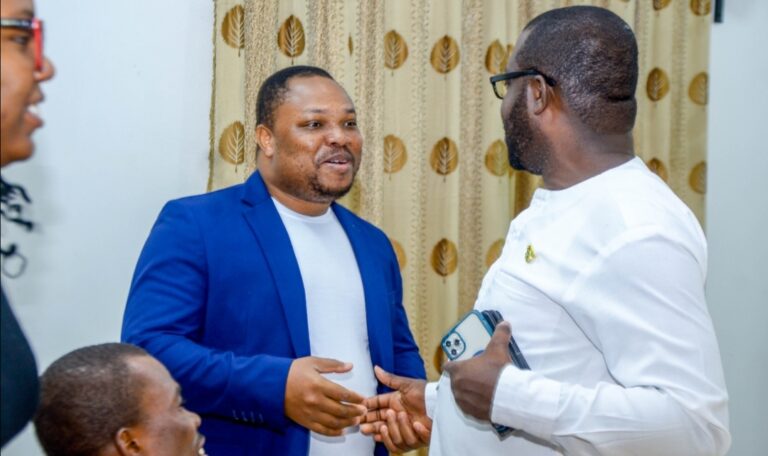
Dr. Wemakor reaffirmed HRRG’s dedication to applying the knowledge and strategies gained to defend and expand civic space—particularly for women, youth, and marginalized communities—across Ghana and the wider African region.
Leave a Reply