Category: News

  • Joseph Wemakor selected for Fortifying the Truth Cohort by WITNESS

    Joseph Wemakor selected for Fortifying the Truth Cohort by WITNESS

    Celebrated Ghanaian journalist and human rights advocate Joseph Kobla Wemakor has achieved a significant milestone in his career by being chosen to join the prestigious Fortifying the Truth Cohort by WITNESS, a leading global human rights organization.

    This selection highlights Wemakor’s steadfast dedication to combating harmful narratives and empowering marginalized communities through advanced digital verification techniques, establishing him as a key figure in the realms of journalism and human rights advocacy.

    Wemakor’s groundbreaking project proposal and unwavering commitment to upholding truth and combating misinformation have garnered recognition from the selection panel, earning him a coveted position among 17 passionate journalists and frontline human rights defenders in West Africa.

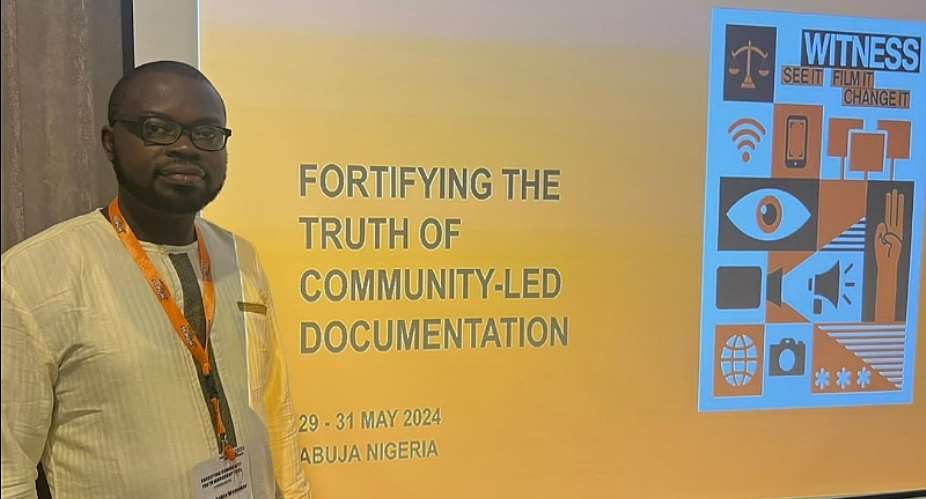
    The cohort members are slated to undergo an intensive three-day training session on community-based digital verification techniques in Abuja, Nigeria, from May 29th to 31st, 2024.

    In a heartfelt letter congratulating Wemakor on his selection, Jacquelyn Jasper-Ikpendu, Program Assistant for Africa at WITNESS, expressed enthusiasm for his innovative approach and pledged unwavering support to help realize his impactful idea.

    This opportunity not only provides Wemakor with a platform to enhance his skills but also facilitates networking with peers from across Africa, fostering idea exchange and mutual learning within the vibrant cohort.

    This recent achievement adds to Wemakor’s impressive portfolio of impactful contributions to journalism and human rights advocacy.

    From his notable selection among 30 distinguished African human rights defenders for Human Rights Training of Trainers in Tanzania last October to his recognition among 25 science and health reporters in Ghana for specialized training in infectious disease reporting and health-related issues by the Centre for Science and Health Communication in May 2023, Wemakor has consistently showcased a dedication to excellence and innovation.

    His advocacy for environmental awareness and journalistic excellence, as demonstrated at the African Climate Risks Conference (ACRC19) in Ethiopia in 2019, underscores his commitment to amplifying marginalized voices and addressing critical issues.

    Additionally, his participation in significant workshops such as the Afreximbank Media Workshop on Intra-African Trade in Casablanca, Morocco, in 2018 and the Bloomberg Media Initiative Africa Financial Journalism Program in Ghana in 2019 has broadened his professional horizons and reinforced his commitment to journalistic integrity and impactful storytelling.

    Joseph Kobla Wemakor, a renowned Ghanaian human rights activist, dedicated humanitarian, and influential journalist, is also the founder and executive director of Human Rights Reporters Ghana (HRRG), an NGO committed to fighting for the rights of marginalized groups in society.

    Joseph is the recipient of the Africa Peace Advocates Award in 2023, a nominee for the AfricanDefenders Shield Award in the same year, and the winner of the 5th UN Global Entreps Awards, among other accolades and honors.

    As Wemakor embarks on this transformative journey with WITNESS and his esteemed cohort peers in 2024, his selection for the Fortifying the Truth program serves as a testament to his tireless efforts in combating misinformation and advocating for marginalized voices.

    With an unwavering dedication to ethical journalism and social justice, Wemakor continues to inspire and lead by example, solidifying his standing as a respected figure in the global media landscape.

    WITNESS, the global human rights organization empowering individuals to utilize video and technology in safeguarding and defending human rights, plays a pivotal role in acknowledging and supporting individuals like Wemakor who are committed to effecting positive change in society through their work.

  • Advocate Joseph Wemakor makes third appearance on Metro TV ‘Morning Rush’ to tackle human rights issues

    Advocate Joseph Wemakor makes third appearance on Metro TV ‘Morning Rush’ to tackle human rights issues

    Renowned human rights advocate and influential journalist, Joseph Kobla Wemakor, is slated to make his third appearance on the popular Metro TV “Morning Rush” show, where he will shine a spotlight on critical human rights issues affecting Ghanaians this time around, with a focus on Ghana’s ongoing toilet crisis.

    Wemakor, known for his passionate advocacy on social justice issues, will utilize this platform to draw attention to the pressing challenges faced by many in the country due to inadequate access to proper sanitation facilities.

    The upcoming appearance on the show is expected to provide a crucial opportunity for Wemakor to address the far-reaching implications of the toilet crisis in Ghana.

    With a focus on the fundamental right to clean and safe sanitation, Wemakor aims to underscore the impact of this crisis on public health, particularly in the context of the ongoing global pandemic.

    His advocacy will also emphasize the disproportionate burden placed on women and girls, who often bear the brunt of the lack of adequate toilet facilities.

    Ghana, like many developing nations, continues to grapple with systemic issues related to sanitation and access to clean water.

    Wemakor’s unwavering dedication to human rights causes has positioned him as a leading voice in advocating for the rights of those affected by these disparities.

    His upcoming appearance on the “Metro TV Morning Rush” show is expected to serve as a catalyst for raising awareness and stimulating meaningful dialogue around crucial human rights issues impacting Ghanaians particularly this critical issue.

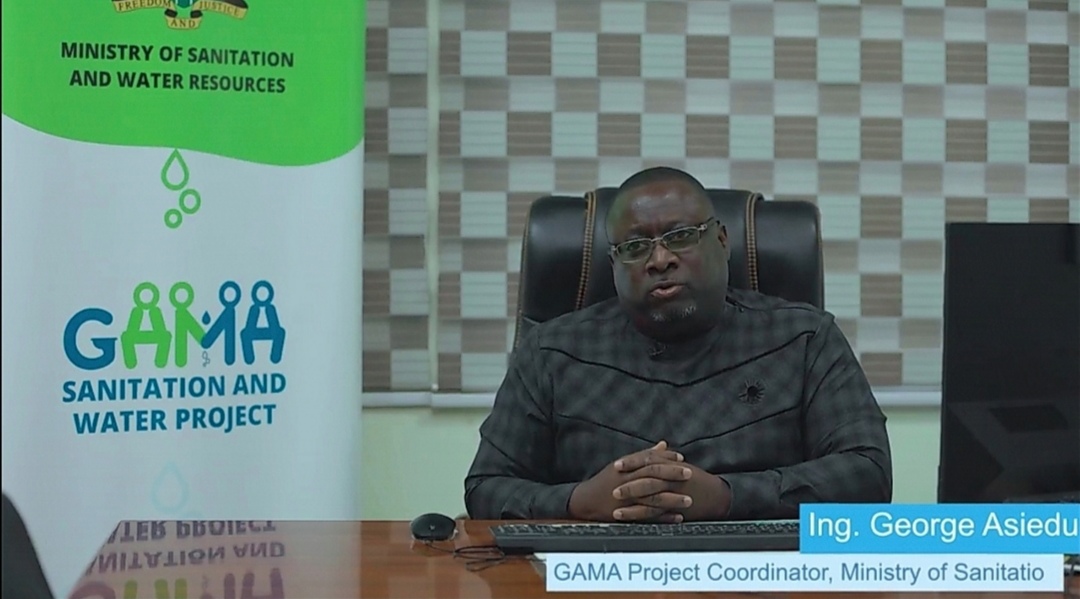
    To enrich the conversation and make it more enlightening, inspiring, and educative, Wemakor is expected to be joined on the same panel by Ing. George Asiedu, Coordinator of the Greater Accra Metropolitan Area (GAMA) Sanitation and Water Project (SWP).


    Source: Elizabeth Bombande


  • Human Rights Reporters Ghana sensitizes Kiddy’s Garden School of UPCO on Human Rights Day 2023

    Human Rights Reporters Ghana sensitizes Kiddy’s Garden School of UPCO on Human Rights Day 2023

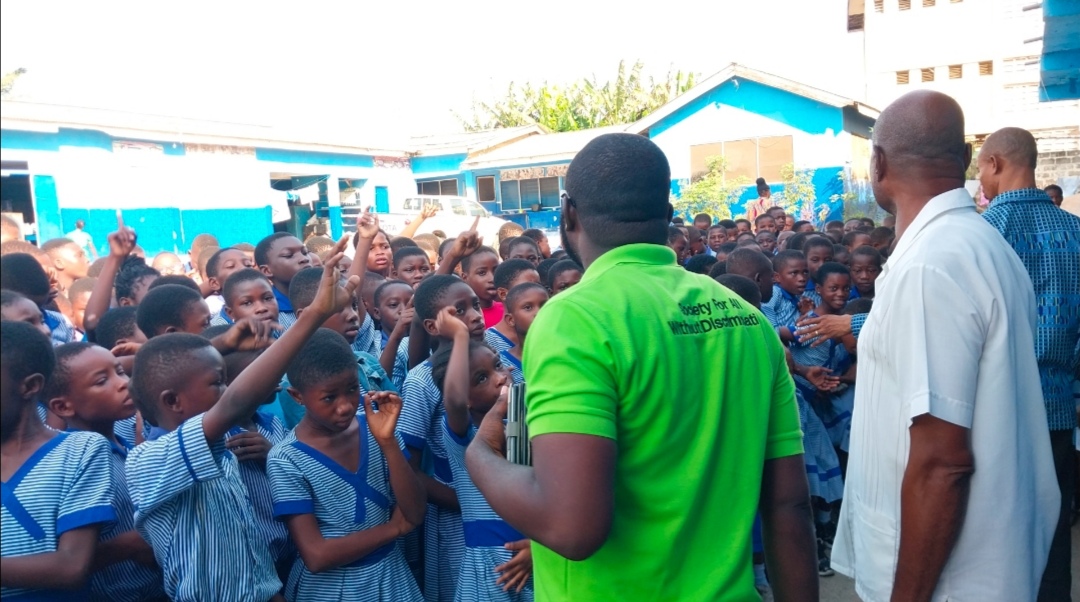
    On Human Rights Day 2023, a significant educational outreach unfolded as Human Rights Reporters Ghana (HRRG), a prominent non-governmental organization dedicated to the promotion and protection of human rights, conducted a sensitization program at Kiddy’s Garden School of UPCO.

    The event, part of HRRG’s mandate to educate the youth on their rights and responsibilities, aimed to instil in students an understanding of human rights concepts and the importance of upholding these rights in their daily lives.

    The program, carefully curated to correspond with the global theme of Human Rights Day, offered an array of activities designed to engage students and staff in meaningful dialogue about the significance of human rights.

    The HRRG team led by its executive director, Mr. Joseph Kobla Wemakor, equipped with educational materials and expertise, provided age-appropriate presentations that covered a range of topics from the Universal Declaration of Human Rights, the UN Sustainable Development Goals to practical ways children can be human rights advocates within their communities.

    Participants were introduced to the history and relevance of Human Rights Day, which is celebrated annually on December 10th to commemorate the United Nations General Assembly’s adoption of the Universal Declaration of Human Rights in 1948.

    The declaration, a milestone document in human rights history, sets forth fundamental human rights to be universally protected.

    The interactive sessions facilitated by HRRG at Kiddy’s Garden School of UPCO highlighted how human rights are intertwined with the daily lives of students.

    Specifically, the emphasis was on the rights to education, freedom of expression, and protection from discrimination – all pertinent to the school environment.

    By doing so, HRRG inspired a young audience to recognize their role in nurturing a culture of respect and equality both within the school setting and in the broader society.

    Moreover, the program offered an invaluable opportunity for students to learn about instances where human rights can be compromised and how to respond to such situations.

    It also prompted discussions on the responsibilities that accompany these rights, thus fostering a sense of citizenship and accountability among the young participants.

    Beyond students, the sensitization effort extended to educators and staff at Kiddy’s Garden School of UPCO.

    HRRG conveyed the importance of a rights-based approach to teaching and administration within educational institutions.

    Teachers were encouraged to incorporate human rights education into their curricula, ensuring that the promotion of human dignity and respect becomes a cornerstone of learning.

    As Human Rights Day 2023 concluded, the impact of the sensitization effort by Human Rights Reporters Ghana at Kiddy’s Garden School of UPCO was apparent.

    The over 600 participants emerged more informed about their rights and empowered to act as agents of change in advocating for human rights.

    In conclusion, the collaboration between HRRG and Kiddy’s Garden School of UPCO on Human Rights Day 2023 has undoubtedly strengthened the foundation for human rights education among the youth.

    By educating the future custodians of society about their rights, responsibilities, and the significance of human rights observance, HRRG has contributed to the cultivation of a generation that is more just, empathetic, and aware of the imperative to uphold the dignity of all individuals.

    Source: Elizabeth Bombande|HRRG

  • Joseph Wemakor: A deep reflection of Ghana’s human rights status on Human Rights Day 2023

    Joseph Wemakor: A deep reflection of Ghana’s human rights status on Human Rights Day 2023

    Do fundamental human rights exist in Ghana?

    This article reviews the human rights status in the Republic of Ghana, giving details on the nation’s commitment to upholding these fundamental principles as well as some existing violations that persist in the country.

    Human rights are fundamental rights that all persons have, regardless of their citizenship, location of residence, sex, ethnicity, race, color, religion, language, or any other status.

     Commonly referred to as inalienable fundamental rights, a person is intrinsically entitled to them merely by virtue of being a human being.

    Human rights are as old as human civilization; however, their application and importance have been clearly defined in recent years.

    It gained increased significance, especially following the adoption of the United Nations Universal Declaration of Human Rights (UDHR) on December 10, 1948, after the Second World War.

    Ghana, a West African nation with a rich cultural heritage and a history of political stability, has made significant strides in promoting and protecting human rights.

    The independence movement led by Dr. Kwame Nkrumah, who became Ghana’s first Prime Minister and later first president, marked a significant milestone in the decolonization of Africa and inspired other nations on the continent to seek self-determination and freedom from colonial powers.

    Ghana’s commitment to human rights is evident in its legal framework, with the 1992 Constitution serving as the supreme law.

    The constitution guarantees a range of fundamental human rights, including the right to life, dignity, and equality before the law. Additionally, Ghana is a party to various international conventions, such as the International Covenant on Civil and Political Rights (ICCPR) and the Convention on the Elimination of All Forms of Discrimination Against Women (CEDAW), demonstrating its dedication to global human rights standards.  

    As the world comes together to celebrate World Human Rights Day 2023, it is imperative to shine a spotlight on the human rights challenges faced by the nation of Ghana.

    While Ghana has made significant strides in various domains, a critical examination reveals persistent human rights issues that demand our collective attention and action.

    Over the years, Ghana has made some significant achievements regarding issues of human rights. Some of which include:

    Political Stability and Democratic Governance: Ghana has a commendable record of democratic governance, with peaceful transitions of power through transparent elections.

    This political stability contributes to the protection of civil and political rights, fostering an environment where citizens can freely express their views and participate in the decision-making process.

    Also, access to Education and Healthcare: The government has made progress in ensuring access to education and healthcare, essential components of economic, social, and cultural rights.

    Efforts to improve literacy rates and provide healthcare services contribute to the overall well-being of Ghanaians, aligning with international human rights principles.

    Moreover, Ghana has taken steps to address gender inequality with legislative measures and policies aimed at promoting women’s rights.

    While challenges persist, such as gender-based violence and traditional norms, the government’s commitment to initiatives like the Affirmative Action Bill demonstrates a proactive approach to advancing gender equality.

    However, there have been some setbacks in the fight for human rights, despite the achievements made in promoting human rights in the country.

    Freedom of expression, a fundamental human right and a cornerstone of any democracy, is facing threats in Ghana.

    Journalists and activists have encountered censorship, harassment, and restrictions, hindering their ability to express dissent and investigate matters of public interest.

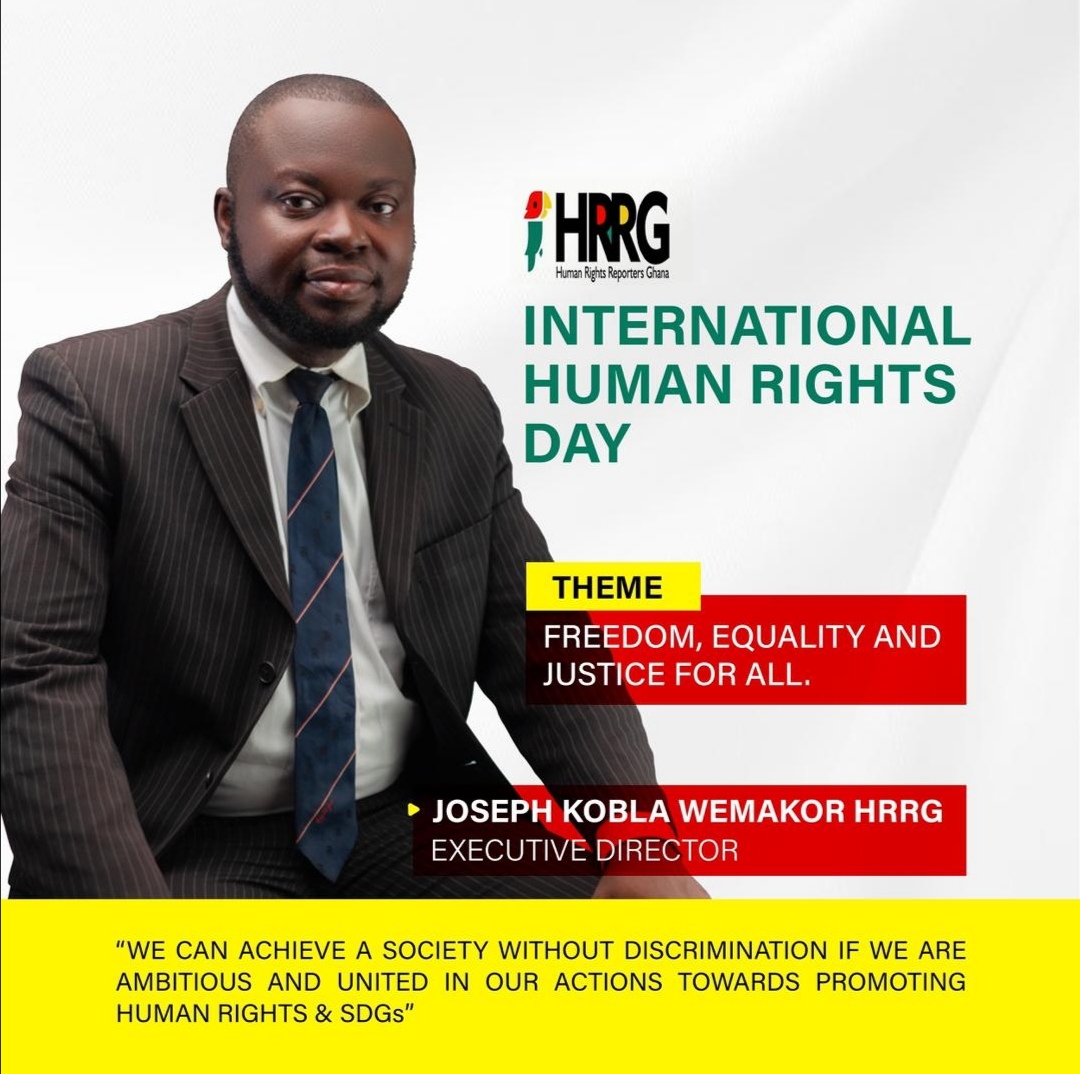
    On this year’s Human Rights Day, which is being celebrated with the theme: “Freedom, Equality, and Justice for All,” it is crucial to recognize the importance of a free press and advocate for an environment where individuals can freely express their opinions without fear of reprisal.

    Secondly, instances of police brutality and the excessive use of force have raised concerns about citizens’ safety and their rights to live free from arbitrary violence.

    World Human Rights Day serves as a poignant reminder to address systemic issues within law enforcement agencies, promoting accountability, transparency, and the protection of citizens’ rights.

    Comprehensive police reform is essential to ensuring that law enforcement agencies serve and protect the communities they are entrusted to serve.

    Moreover, discrimination based on gender, ethnicity, and other factors persists in Ghana, impeding the realization of a truly inclusive society.

    As we celebrate this year’s Human Rights Day, let us commit to dismantling discriminatory practices and promoting equal opportunities for all.

    Empowering marginalized communities and fostering diversity will contribute to a more just and harmonious nation.

    Also, child labour remains a pervasive issue in sectors such as agriculture and mining, depriving children of their right to education and a proper childhood.

    Human Rights Day is an opportune moment to renew our commitment to eradicating child labour through comprehensive policies and robust enforcement.

    Protecting the rights of children ensures a brighter and more equitable future for Ghana. Furthermore, limited access to quality education, especially in rural areas, perpetuates cycles of poverty and inequality.

    As we mark Human Rights Day 2023, let us prioritize initiatives that ensure every child has the opportunity to receive a quality education.

    Education is not only a fundamental right but also a powerful tool for breaking the chains of poverty and building a more just society.

    Again, while Ghana has made progress in healthcare, disparities persist, particularly in rural areas. Human Rights Day 2023 calls for a renewed commitment to ensuring universal access to quality healthcare.

    By addressing healthcare inequalities, we can safeguard the right to health for all citizens and promote a healthier, more resilient nation.

    Additionally, issues related to land rights, often linked to large-scale development projects, have led to the forced displacement of communities.

    On this year’s Human Rights Day, let us advocate for policies that protect the rights of individuals and communities to their land. Striking a balance between development and human rights is essential for fostering sustainable growth that benefits all citizens.

    Finally, bribery and corruption undermine the rule of law and hamper the effective enjoyment of human rights.

    As we mark this year’s International Human Rights Day, efforts to strengthen institutions and promote transparency are essential to addressing issues of bribery and corruption.

    Although governments are responsible for maintaining peace, security, and human protection, civil society organizations (CSOs) have also contributed to the immense fight for human rights in Ghana as a way of supporting governments in maintaining peace and security.

    Civil Society Organizations (CSOs) are groups or associations that operate independently of government or for-profit businesses.

    In the fight for human rights, CSOs provide crucial research to assist governments in comprehending and addressing issues and requirements locally.

    Among other human rights advocacy groups vigorously championing issues of human rights in Ghana, the Human Rights Reporters Ghana-NGO (HRRG), a dynamic rights organization globally recognized for its immense advocacy for human rights in Ghana and beyond, stood high in its pursuit in the fight for human rights.

    World Human Rights Day serves as a powerful reminder that the pursuit of human rights is a collective responsibility.

    This year’s Human Rights Day provides a momentous occasion for people worldwide to reflect on the state of human rights.

    Ghana, known for its history as the first African country to gain independence in 1957, prides itself on its efforts to champion human rights. However, serious reflection is warranted on the progress and ongoing challenges the nation faces in this critical arena.

    Ghana has ratified numerous international human rights treaties, including the International Covenant on Civil and Political Rights (ICCPR) and the International Covenant on Economic, Social, and Cultural Rights (ICESCR).

    The country’s 1992 constitution also incorporates comprehensive bills of rights that cover everything from the right to life and freedom of expression to social and cultural rights.

    Despite structural efforts, challenges persist.

    The U.S. Department of State’s 2022 Human Rights Reports highlighted concerns about unlawful or arbitrary killings by the government or its agents, harsh and life-threatening prison conditions, and significant problems with the independence of the judiciary.

    There are also reports of societal violence, especially toward women, and discrimination based on sexual orientation and gender identity.

    Freedom of expression, a cornerstone of democratic societies, has come under threat.

    Journalists in Ghana face various forms of intimidation and violence, and in 2023, concerns have skyrocketed regarding the safety of investigative journalists.

    The notable impunity surrounding crimes against journalists continues to restrict press freedom and suggests a need for enhanced enforcement of protections.
    On the economic front, Ghana’s informal sector, which accommodates a majority of the workforce, faces ongoing challenges, with limited access to social protections and labour rights.

    Child trafficking and labour also remain pressing issues, particularly in the agricultural and mining sectors and in fishing communities.

    On a brighter note, Ghana has taken strides in some areas.

    The country’s collaborative efforts with international partners have led to initiatives to reduce child labour and promote the rights of the disabled.

    Increased public discourse on LGBTQ+ rights, despite the societal stigma, marks a shift towards recognition of the need for inclusivity and equality, although this debate remains highly contentious.
    Women’s rights have seen improvements, with initiatives aimed at increasing female leadership and political participation.

    The Representation of the People’s Amendment Law (ROPAL), aiming to empower more women in politics, and the passage of the Affirmative Action Bill into law are steps in the right direction.

    The Affirmative Action Bill is a proposed piece of legislation that seeks to provide gender parity in Ghanaian politics. The bill aims to increase women’s participation in decision-making positions by proposing that at least 40% of public offices be reserved for women.

    On International Human Rights Day, Ghana finds itself at a crossroads.

    The commitment to human rights ideals is evident, but the road to realizing these rights for all citizens is fraught with obstacles.

    Continued vigilance, advocacy, and reform by government bodies, civil society, and the international community remain crucial in addressing human rights deficits and ensuring that Ghana’s constitutional promises translate into tangible results for every Ghanaian.
    As we pause to reflect on this day, it is imperative that these issues not only be acknowledged but actively addressed.

    Moving forward, Ghana must strengthen its institutional frameworks, enforce existing laws, and, importantly, ensure the protection of human rights defenders.

    International Human Rights Day serves not only as a day of reflection but also as a call to action—a reminder of the collective responsibility to uphold and champion the dignity and rights inherent to all.

    As we mark this year’s World Human Rights Day, HRRG wishes to call on the government and all stakeholders to collaborate and eradicate human rights violations persisting in the country.

    With its zeal for promoting the fundamental rights of the people of Ghana and beyond, HRRG is ready and willing to collaborate among stakeholders and governments towards the fight for human rights.

    In conclusion, through collaborative efforts, Ghana can serve as an inspiring example of a society that cherishes the dignity and rights of its people.

    As we celebrate this year’s Human Rights Day, let us stand together for a more just and brighter future for all.

    Source: Joseph Kobla Wemakor 

    The writer is a staunch human rights activist, National SDGs Champion, and Founder/Executive Director of Human Rights Reporters Ghana (HRRG).


  • Human Rights Reporters’ Joseph Wemakor honored by I BELIEVE GLOBAL

    Human Rights Reporters’ Joseph Wemakor honored by I BELIEVE GLOBAL

    In recognition of his unwavering commitment to advocating for gender equality, Joseph Wemakor, the distinguished Program Chair for the International Conference on Gender Equality, has been honored with a Citation of Honor by the I Believe Global Women’s Empowerment Foundation. (I BELIEVE GLOBAL).

    This reputable organization, which is steadfast in its dedication to promoting social justice and human rights, acknowledged Mr. Wemakor’s significant contributions to the field during a recent awards ceremony.

    Joseph Kobla Wemakor’s relentless pursuit of gender parity has played a crucial role in the global dialogue on gender issues.

    His invaluable insights and leadership as the Program Chair for the inaugural International Conference on Gender Equality in Ghana have not only influenced policymakers but have also uplifted communities by fostering awareness and action towards creating a gender-inclusive world.

    The Citation of Honor conferred upon Mr. Wemakor underscores his successful strategies in addressing the deeply entrenched inequalities that women and girls face worldwide.

    It reads: “Your unwavering commitment as a Program Chair to the success of the 1st International Conference on Gender Equality in Ghana, organized by I BELIEVE GLOBAL has left an indelible mark.

    Your guidance and tireless efforts have inspired change and empowered us to strive for a more equitable world. Thank you for your invaluable contribution to fostering dialogue and progress”.

    Mr. Wemakor who is also the founder/executive director of Human Rights Reporters Ghana (HRRG) received the honor from Rachel Akosua Lundgren, President of I BELIEVE GLOBAL, alongside Professor (Mrs.) Smile Dzisi (Patroness).

    Under his guidance, the International Conference on Gender Equality became a platform for international experts, activists, and thought leaders to share their research and forge alliances.

    Through this collaborative effort, there has been notable progress in the advocacy for women’s rights and the empowerment of women and girls across different societies.

    I BELIEVE GLOBAL, an organization with a global footprint in advancing human rights, has taken note of Mr. Wemakor’s dedication to not only raising awareness but also paving paths for tangible chances.

    The Citation of Honor is a testament to Mr. Wemakor’s influence in pushing for reforms and sustainable developments that benefit vulnerable and marginalized communities, especially in relation to gender disparities.

    The distinction of the award also mirrors the collective success of the initiatives Mr. Wemakor supports, showcasing the impact these programs have on dismantling barriers to gender equality. The ceremony was not just a celebration of his achievements but also served to inspire other leaders and activists to continue to strive for a world where gender does not dictate one’s opportunities and rights.

    Joseph Wemakor’s achievement is pivotal in the ongoing struggle for gender equality, as it highlights the potential of passionate individuals to foster change within society. The International Conference on Gender Equality, under his stewardship, will continue to be a beacon of hope and a catalyst for the transformational progress toward a gender-equal world.

    As the fight for gender equality presses on, it is crucial to recognize and honor figures like Joseph Wemakor, who not only envision a just society but actively work to bring it to fruition.

    The Citation of Honor from I BELIEVE GLOBAL is a fitting tribute to Mr. Wemakor’s determined efforts in this noble cause.

    Some prominent figures, celebrities, and gender advocates whose contributions towards advancing gender equality and advocating for women’s empowerment were also recognized include Oheneyere Gifty Anti (Renowned Gender Advocate) Mrs. Esther Darko-Mensah (Activist), Mrs. Sabina Anokye Mensah (Renowned Gender Expert), Dr. Maurice Apprey, University of Virginia, USA (Advocate for Diversity, Equity and Inclusion, and Advancing Gender Equality) and Mr. Siapha Kamara (Renowned Gender Expert).

    Other recipients are Dr. Emmanuel Ayifah, Deputy Country Director, SEND Ghana, Mr. Harold Nii Amoo (Researcher-Gender Economics, Kobe University Japan), Mr. Justice Mawuli Godzo, University of Education, Winneba, and Abdul-Aziz Seidu (Researcher-Public Health, University of Australia), Dr. Sérgio Bordalo e Sá, University of Lisbon, Portugal, Leela M. Kpukuyou-Browne (Gender Advocate and Empowerment Practitioner), and Prof. Dzisi Smiles (Former Vice Chancellor/Rector of Koforidua Technical University).

    I BELIEVE GLOBAL on November 24, 2023, organized the 1st ever International Conference on Gender Equality in Ghana aimed at empowering and uplifting women’s rights in Ghana.

    The historic event brought together a broad range of international and local activists, experts, and advocates to discuss and promote gender equality.

  • Sanitation Ministry intervenes to provide toilet facility for teenage typhoid patient following Human Rights Reporters Ghana report

    Sanitation Ministry intervenes to provide toilet facility for teenage typhoid patient following Human Rights Reporters Ghana report

    The Greater Accra Metropolitan Area (GAMA) Sanitation and Water Project (SWP) under the Ministry of Sanitation and Water Resources has initiated a noble project to improve the quality of life for a 15-year-old patient combating typhoid fever. 

    Prompted by a report cast by the Human Rights Reporters Ghana (HRRG), the ministry has successfully constructed a toilet facility for the underprivileged teen.

    Typhoid fever, a potentially fatal bacterial disease commonly spread due to poor sanitation, is a severe public health issue in Ghana.

    According to the World Health Organization (WHO), the country reports over 600,000 cases annually.

    The 15-year-old adolescent, Abena (not her real name), a past student of Kiddy’s Garden School of UPCO located at Gbegbeyise community is one among many victims of what could have been prevented with better sanitation.

    Human Rights Reporters Ghana (HRRG), an organization dedicated to reporting human rights abuses in the country, highlighted the teenager’s despairing living conditions and health issues.

    HRRG firmly believes that access to a toilet is a fundamental right that underpins the health, dignity, and prosperity of a community.

    Their report also expanded on how the lack of a sanitary toilet facility within their home, teamed with water-borne diseases, serves to snowball into serious health risks for the family.

    Thanks to this investigative journalism by the HRRG’s executive director, Joseph Kobla Wemakor, the Ministry under the Greater Accra Metropolitan Area (GAMA) Sanitation and Water Project through the leadership of Ing. George Asiedu, launched an immediate intervention.

    The report: “Living without a toilet at home: The traumatic tale of a 15-year-old typhoid fever patient”, first published by Ghanaweb.com, went viral and received massive publication by various major online portals the moment the news surfaced.

    “On the 23rd of June 2023 we saw this publication by Joseph Kobla Wemakor, a human rights reporter and we saw this dilemma of a 15-year-old typhoid patient.

    In the environment where the report indicate that the residents do not have access to toilet facility and open defecation happens to be the norm and quickly as a Project, we thought that this is one area we should also quickly get into and then follow-up to see how best we can help 15-year-old person,” Ing. George Asiedu” the GAMA Project Coordinator narrated in an interview.

    The ministry, committed to ensuring proper sanitation for all citizens, committed resources to build the teenager and her family a much-desired toilet facility.

    The project came to fruition, and Abena’s home now boasts separate, clean, and functional toilets that offer a dignified solution to sanitation needs.

    Prior to filing this impactful story, Wemakor had received a boost from the Centre for Science and Health Communication (CSHC) and partners to have his capacity built on infectious disease reporting among over 30 Ghanaian journalists who were selected and subsequently trained on May 17, 2023.

    The overall goal of the workshop is to ensure an enhanced capacity is built for health and science journalists in the country who can be well-equipped with knowledge and skills to produce stories and educate the public on infectious diseases.

    Apart from the skills and knowledge imparted, each beneficiary was also provided with funding support and tasked with producing a story on infectious disease to educate the public.

    Out of the media contents produced by each of the over 30 beneficiaries, Wemakor’s report stood out with an impact on the 15-year-old girl and her family when he got a surprised phone call from an official of the Greater Accra Metropolitan Area Sanitation and Water Project under the Ministry of Sanitation and Water Resources following their swift intervention.

    Reports show the teen’s family was overwhelmed with gratitude as they expressed appreciation to the Ministry of Sanitation and Water Resources, the GAMA Sanitation and Water Project Management team, and human rights journalist Joseph Kobla Wemakor for the support.

    While the toilet facility would abolish the immediate sanitary risk for the household, it is only a small victory in the larger combat against poor sanitation in the country.

    This particular case manifests the crucial role that media can play in affecting societal change.

    Human Rights Reporters Ghana used their platform not just to highlight human rights abuses but also to catalyze necessary improvements in living conditions for disadvantaged citizens.

    Despite being a life-threatening hurdle, the issue of sanitation continues to debilitate several communities in Ghana.

    According to reports by UNICEF, over 20% of Ghana’s population lacks access to an improved toilet facility.

    In many parts of the world, the comfort and necessity of indoor plumbing are taken for granted. Yet, over 2 billion people worldwide remain without access to basic sanitation needs, according to a 2019 report from the WHO and UNICEF.

    Open defecation, inadequate sanitation, and the absence of toilet facilities can lead to serious health complications, including typhoid fever, a trauma bitterly experienced by a 15-year-old girl whose story provokes reflection on issues of health, dignity, and human rights.

    This single act of generosity by the Ministry should be lauded for the immediate relief it provides to the young patient. However, it also underscores the urgent need for comprehensive strategies to eradicate poor sanitation countrywide.

    The urgency of large-scale sanitary initiatives and consistent efforts to upkeep hygiene in communities cannot be overstressed.

    Simultaneously, it is equally essential for other stakeholders, including public health agencies, non-profit organizations, and the general public to contribute towards robust strategies to mitigate this alarming public health issue.

    The construction of the toilet facility for the 15-year-old typhoid patient serves as an urgent reminder of the importance of adequate sanitary conditions in the prevention of infectious diseases.

    It is a testament to the fact that sanitation is not just a physical infrastructure issue but a critical health and human rights concern.

    The Human Rights Reporters Ghana (HRRG) is extremely grateful to Ing. George Asiedu, GAMA Project Coordinator, Ministry of Sanitation Ghana as well as the entire management team, the Headmaster of Kiddy’s Garden School of UPCO Mr. Francis Avuletey, the Centre for Science and Health Communication (CSHC) and its Director Bernard Appiah (Ph.D.), School of Communication Studies, University of Ghana including all their partners for their support which contributed to making a huge impact in the life of the 15-year-old girl and her family.


    Source:HRRG

  • Joseph Kobla Wemakor: Gender equality is a collective responsibility for all

    Joseph Kobla Wemakor: Gender equality is a collective responsibility for all

    Have you ever pondered why women continue to be underrepresented in leadership roles, politics, and even the economic sphere, despite the fact that women dominate the globe? 

    Gender equality is still a vital problem in today’s culture, having been a subject of debate and concern for many years.

    There is therefore a need to take collaborative social action to achieve gender equality, seeing that it is not a task that can be completed by one organization or individual.

    Women have historically experienced systematic marginalization and exclusion from a variety of life domains, such as work, politics, and education.

    Throughout its lengthy and illustrious history, the fight for women’s rights and gender equality has witnessed both major defeats and victories.

    The first women’s rights convention, held in New York in 1848, was one of the turning points in the struggle for gender equality.

    This conference, which was organized by activists like Lucretia Mott and Elizabeth Cady Stanton, signalled the start of a concerted attempt to address the injustice and prejudice that women experienced.

    The Declaration of Sentiments, which called for women to have the right to vote and other fundamental rights, was the outcome, and it set the stage for further activism.

    One example of the effectiveness of collective social action is the suffrage campaign, which gained grip in the late 19th and early 20th centuries.

    Women from many walks of life and origins branded together and, after much perseverance, succeeded in uniting to demand their right to vote.

    Another historical example of collective action for gender equality is the second wave of feminism, which emerged in the 1960s and 1970s.

    Feminist activists such as Betty Friedan, Gloria Steinem, and Shirley Chisholm worked to address various issues, including reproductive rights, discrimination at the workplace, and domestic violence.

    Their efforts resulted in significant legislative changes, including the prohibition of gender discrimination in education and the legalization of abortion in the United States.

    Gender equality is still a comprehensive goal in many parts of the world, despite past progress.

    There are still many issues that need to be resolved, and doing so calls for collective global social action.

    In the field of economics, disparities in economic opportunities and wage gaps based on gender still impede women’s advancement.

    Despite notable progress, women’s average income remains lower than that of men in the workforce.

    Promoting equal pay and providing opportunities for women in traditionally male-dominated fields require concerted social action.

    Moreover, Gender-based violence remains a pervasive global issue. Efforts to combat violence against women, such as the “MeToo movement”, demonstrate the power of collective voices in exposing and addressing these injustices.

    Additionally, women continue to be underrepresented in leadership, business, and politics. Collective social action can support inclusive decision-making and assist in removing obstacles that prevent women from taking the lead in these domains.

    Furthermore, deep-seated cultural and societal norms often perpetuate gender inequality. Changing these norms requires a collective shift in attitudes and values, driven by grassroots movements and advocacy.

    Women are also often discriminated against in healthcare and education, which impedes their opportunities to lead in society.

    Resolving these disparities requires collective action by individuals, civil society, the government, and stakeholders.

    Positively, there have been notable advancements made in the cause of gender equality.

    Numerous nations have enacted laws and regulations aimed at addressing gender differences in a range of domains, such as political engagement, work, and education.

    The Sustainable Development Goals, which include a specific goal (goal 5) to achieve gender equality and empower all women and girls by 2030, were adopted by the UN, which has also played a significant role.

    We cannot underestimate the importance of promoting collective action to ensure gender equality.

    Recent research and case studies provide insights into the effectiveness of joint social action in promoting gender equality. Here are a few examples:

    Iceland’s Gender Equality Strategy: Iceland is often cited as a leader in gender equality. Their government, in collaboration with civil society organizations, implemented a comprehensive Gender Equality Strategy that includes measures to close the gender pay gap and promote women’s participation in politics.

    This strategy demonstrates the impact of a coordinated approach involving government, NGOs, and the private sector.

    Moreover, the Women’s Marches that took place around the world in the aftermath of the 2016 U.S. presidential election are a contemporary example of joint social action.

    These marches brought together millions of people to advocate for a range of women’s rights issues, including reproductive rights, healthcare, and gender-based violence.

    Furthermore, the “HeForShe” campaign, which was started by UN Women, encouraged boys and men to advocate for gender equality.

    It has gained support from male leaders and celebrities all across the world and highlights how important it is for everyone to get involved in the struggle for women’s rights.

    Research has shown that collaborative efforts involving governments, civil society, and the private sector are more likely to produce lasting change.

    Gender equality is not just a women’s issue; it requires the active involvement of all members of society. To continue making progress, several key strategies are essential:

    1. Education and Awareness: Raising awareness about the importance of gender equality and educating the public about its benefits are crucial. Schools, media, and community organizations play vital roles in this regard.
    2. Policy and Legal Reforms: Governments must enact and enforce laws that promote gender equality. This includes legislation addressing pay equity, parental leave, and protection against discrimination and violence.
    3. Support for Grassroots Movements: Grassroots organizations and activists often lead the way in advocating for gender equality. These groups should receive support and recognition for their work.
    4. Male Engagement: Engaging men and boys as allies in the fight for gender equality is crucial. Men can actively challenge harmful stereotypes and behaviours that perpetuate gender inequality.
    5. Economic Empowerment: Promoting women’s economic empowerment through initiatives such as microfinance, entrepreneurship support, and vocational training can have a significant impact.
    6. Mentorship and Leadership Development: Encouraging women to pursue leadership roles and providing mentorship opportunities can help overcome barriers to women’s advancement.

    In view of these, the First International Conference on Gender Equality (ICGE) in achieving the Goal 5 of the SDG goals which seeks to bring together experts, advocates, government, civil society organisations, activists, and other stakeholders from around the world in Accra, Ghana-West Africa to discuss and promote gender equality is being staged on theme: “Building Bridges: Charting the Course for Gender Equality and Achieving SDG 5 in Developing Economies”.

    The conference seeks to provide a platform for knowledge sharing and dialogue on gender equality issues in developing economies, identify key challenges and gaps in achieving gender equality, and help develop strategies to address them, among other objectives.

    The much-anticipated event which is being initiated by I Believe Global Women’s Empowerment “IBGWE” Foundation, a reputable non-profit organization with support of the Ministry of Gender and Children and Social Protection, the National Development Planning Commission (NDPC) Ghana CSOs Platform on SDGs among other partners is expected to bring a Revolutionary Change to Ghana as far as the promotion of Gender Equality in Ghana and beyond is concerned.

    The 1st International Conference on Gender Equality (ICGE) in Ghana is scheduled to take place at the CEDI Conference Room, University of Ghana, Legon, Accra, Ghana, on November 24–25, 2023, starting from 10 a.m.–5 p.m. each day.

    The Human Rights Reporters Ghana (HRRG), an internationally recognized organization known for its enormous effort in advocacy across the globe, is among the key stakeholders who will grace the occasion to promote gender equality and ensure equal rights for all.

    Promoting gender equality is an intricate and continuous initiative that demands not only individual commitment but also cooperative social action.

    The sense of urgency for securing gender parity is recognized globally, making it a priority on global development agendas (UN Women, 2020).

    Encouraging joint social action in this regard positions every member of society as an active participant in the fight for gender equality.

    This shared responsibility and unified vision create an environment for awareness and understanding, dismantling the barriers of discrimination.

    The multifaceted nature of gender issues calls for comprehensive and collaborative response strategies.

    By involving all sectors of society in these strategies, we can address the systemic, institutional, and individual aspects of gender inequality (World Health Organization, 2019).

    The urgent call to action for achieving gender equality necessitates it becoming a collective responsibility for all rather than a battle fought by a marginalized section.

    The United Nations has identified gender equality as a pivotal piece of its sustainable development goals, recognizing that gender equality is vital not only from a human rights perspective but also for economic, social, and political progress to occur (United Nations, 2015).

    Inequality can stifle potential and curtail opportunities, hence it impedes overall human development and progress.

    Conversely, societies that embrace gender equality generally demonstrate higher growth rates, stronger developmental outcomes, and superior socioeconomic indexes.

    To achieve gender equality, the collective responsibility should start from homes and educational institutions, where values are inculcated amongst younger generations.

    Education plays a major role, arming the young with knowledge about gender bias, discrimination, and stigmatization and teaching them to reject these values (World Bank Group, 2018).

    They should be taught about equality, given the task of detecting biases, and empowered to prevent and address gender prejudice.

    Corporations and workplaces are another significant area where gender equality should be pursued. Vehemently striving for equal pay, promoting and providing equal opportunities for women, eradicating discriminatory practices, and addressing sexual harassment are the responsibilities of every organization (European Institute for Gender Equality, 2020).

    Employers have a leading role in fostering gender equality not just within their organizations but in society at large by creating platforms for discussions and enacting fair and balanced organizational policies.

    Policymakers themselves have a vital role to play. They should aim to introduce laws and policies that promote gender balance, diligently enforce existing legislation, and ensure sanctions for violations (OECD, 2020).

    Civil society and the media also have a crucial role – influencing public opinion, challenging stereotypes, and advocating changes favouring gender equality.

    To achieve gender equality, it is necessary for every arm of society – the individual, the home, the school, the workplace, and the state – to shoulder the responsibility.

    The journey towards making gender equality our lived reality requires us to challenge and dismantle entrenched biases persisting in societal structures.

    It will need progressively changing thought patterns, attitudes, and cultural norms, fueled by the collective contribution and concerted efforts of every section of society.

    Thus, let us remember- gender equality is not just the fight of those who face inequality. It is the collective duty of every individual, institution, and nation.

    Only when we all align our thoughts and actions towards the goal of equality, can we hope to make gender equality a universal reality.

    In conclusion, although the journey towards achieving complete gender equality may seem arduous, collective social action serves as a beacon, paving the path and dispelling the shadows of entrenched biases.

    The effort truly is the sum of all parts, and collective action underpins its success.

    Historical studies demonstrate the power of collective action in driving change, while recent research and case studies reveal the progress made and the challenges that remain.

    Achieving gender equality requires a combination of legislative reforms, cultural shifts, and collaborative efforts from governments, civil society, and individuals.

    As we move forward, it is crucial to recognize that gender equality is not just a women’s issue but a fundamental human rights issue that benefits everyone in society. Only through joint social action can we hope to create a world where gender equality is a reality for all.


    By Joseph Kobla Wemakor


    The writer is a gender equality advocate, staunch human rights activist, National SDGs Champion and Founder/Executive Director of Human Rights Reporters Ghana (HRRG).


  • B.ISA and Human Rights Reporters Ghana moves to promote climate action through storytelling

    B.ISA and Human Rights Reporters Ghana moves to promote climate action through storytelling

    Be Inspired with Stories from Africa (B.ISA), in partnership with the Human Rights Reporters Ghana-NGO (HRRG) has organized a 1-day climate storytelling event aimed at empowering young people to drive actionable climate change at the Local Conference of Youth (LCOY) 2023.

    The event which took place at the Institute of the Statistical, Social and Economic Research Conference Hall within the University of Ghana campus on Wednesday October 25, 2023, began with screening of a documentary video which sheds light on the Duapa Climate Action in African communities, namely, Ghana, Nigeria, Kenya, and Liberia, followed by some inspiring stories from climate leaders and community representatives.

    Miss Lucenda Afful, one of the participants in the Duapa climate action project expressing her excitement, recounted how technology has enhanced her tree planting projects.

    “Technology has made planting and monitoring of the trees I plant easy with less struggle. I am able to record the growth and health of the plants using the Locus Map App. I thought it would have been difficult and complicated until I began to use it”.

    Lucenda exclaimed, adding that “the power of technology has equally helped her to know the status of the trees”.

    She furthered, “using technological equipment like the drones, we are able to plant seedlings where our human efforts cannot get to, and with the aid of the Locus App on the mobile phone, we are able to track the state of the seedlings and the other trees we plant”.

    Participants in the event were very excited to see how digital technology has been adopted as a tool for plant management.

    Also, there were some discussions on advancing the use of medicinal plants, restoring Ghana’s lost forests, providing the youth with alternative sources of livelihoods as well as how to contribute to Ghana’s nature-based climate change adaptation strategy.

    However, concerns were raised about how some young people are unable to use technology to promote climate change due to the unavailability of technological tools and equipment in their locality.

    Mr. Derrick Afful, field officer for the Duapa reforestation project mentioned during a panel discussion that technology is the basis for sustainable agriculture. “Technology in agriculture increases agricultural productivity and develops the agricultural process” he exclaimed.

    Concluding, panelists mentioned how the government is in support of promoting climate change and is ready to support individuals who are willing to promote the change.

    Moreover, the youth were admonished to collaborate among themselves and seek out available resources and funding to support their individual projects on climate change.

    All in all, this initiative by B.ISA and Human Rights Reporters Ghana marks a novel approach to climate awareness and action.

    It melds a time-honoured communication strategy with modern technological means to foster a movement that could effectively combat climate change. Moreover, it holds the promise of catalysing a ripple effect, triggering similar projects globally.

    This venture reiterates an essential, yet sometimes overlooked truth – every measure, even a small step, can contribute to the global fight against climate change.

    By leveraging storytelling’s power, these organisations hope to spark a broader dialogue on climate issues, inspiring people to act for a sustainable future.

    The event also enjoyed partnership from the Greenzine, Ghana News Agency, the All Africa Students Union and Kingdom FM.


  • Joseph Wemakor chosen for capacity building on regional & int’l human rights systems in Tanzania

    Joseph Wemakor chosen for capacity building on regional & int’l human rights systems in Tanzania

    Joseph Kobla Wemakor, a seasoned Ghanaian human rights activist and journalist, has been selected among 30 African renowned human rights activists for an intensive training session on regional and international human rights systems and mechanisms taking place from October 13–15, 2023, at the Palace Hotel in Arusha, Tanzania.

    Dubbed: “African Human Rights Training of Trainers on the Participation in and Engagement with the African Commission on Human and People’s Rights” is a 3-day capacity building workshop which seeks to build the capacity of the selected participants including offering them the opportunity to participate and engage with the regional human rights mechanisms in Africa.

    The training is being organized by the African Centre for Democracy and Human Rights Studies (ACDHRS) with support from the African Commission for Human and People’s Rights (ACHPR) International Service for Human Rights (ISHR), Pan African Lawyers Union (PALU), United Nations Human Rights Office of the High Commissioner and the Open Society Foundations including other partners.

    According to the Executive Director of the African Centre for Democracy and Human Rights Studies (ACDHRS), Hannah Forster, the objective is to consolidate closer collaboration among NGOs, CSOs, Journalists, and Human Rights Defenders with the African Commission of Human and People’s Rights to promote and protect Human Rights in Africa.

    Wemakor is one of the only two Ghanaians among 30 participants selected from 23 countries across the African continent to benefit from this program.

    The beneficiaries, according to the Training and Advocacy Support Manager of the International Service for Human Rights (ISHR), Salomé Boucif, were carefully selected out of a pool of over 2,000 applications received for entries.

    Wemakor’s participation in this program reflects his dedication to the promotion of human rights and justice, as well as his commitment to influencing society through his profession.

    The knowledge and experience he will gain from this training will add significant value to his work and enhance his contributions to the field of human rights.

    Joseph Kobla Wemakor, who is also the founder and executive director of Human Rights Reporters Ghana (HRRG), a vibrant NGO, is a distinct voice in the realm of human rights advocacy in Africa.

    His various accomplishments and contributions are fuelled by a deep-seated passion for justice and an unwavering dedication to upholding the rights of the marginalized and vulnerable in society.

    This unique selection speaks to his mastery of journalism, advocacy, and his strategic position within the human rights discourse.

    The training course will feature in-depth discussions on regional human rights issues and concerns, exploring the International Human Rights System, the African Human Rights System among others.

    These are crucial platforms for global efforts towards upholding human rights and mitigating violations.

    Participants will be exposed to intensive sessions on the wide range of mechanisms and policies engineered to address human rights issues and promote justice.

    The primary intended benefits from the training are to strengthen human rights reporting, bolster the capacities of human rights advocates, and build a strong network of dedicated individuals who are proficient in addressing these issues strategically through journalism and advocacy.

    The Human Rights Reporters Ghana’s boss selection for this high-profile training course is also a reflection on Ghana’s continually improving human rights landscape.

    It speaks to the work being done by dedicated professionals like Wemakor in raising awareness and affecting change within the human rights framework, demonstrating the recognition of their efforts on regional and international platforms.

    While in Tanzania, Wemakor is also expected to participate in the NGOs Forum which will be held from 16th-18th October as well as the Ordinary Session of the African Commission on Human and People’s Rights (ACHPR) from 20th to 24th October 2023.

    The NGOs Forum offers a platform for networking and sharing updates on the human rights situations in Africa by the African and international NGOs community with a view to identifying responses as well as adopting strategies towards the promotion and protection of human rights on the continent.

    According to the organizers, participation in the Ordinary Sessions of ACHPR will also give participants a practical taste of the work of the Commission.

    Participants in the forum will comprise human rights organizations from Africa and beyond, numbering over a hundred Resource persons for the Forum are eminent activists and experts dealing with human rights issues in Africa.

    The African Centre for Democracy and Human Rights Studies (ACDHRS) will also organize the 42nd African Human Rights Book Fair, which will run simultaneously with the Forum.

    The Book Fair enables NGOs to network and initiate or renew the exchange of materials and information, as well as to publish their activities. Participants in the forum will actively participate in the Book Fair by displaying publications or documentaries of their organizations.

    As we reflect on this notable achievement, it is critical to remember the broader context of human rights work.

    The defence of human rights remains an ongoing battle due to persistent violations. It is essential to educate individuals, communities, and governments about the importance of upholding human rights and the mechanisms available to protect and promote these rights.

    Joseph Wemakor’s selection for this training opportunity is a step forward for both the individual and the broader human rights activism landscape in Africa.

    With news like this, there is renewed confidence in the field’s future, a testament to the hard work of tireless advocates like Wemakor.

    In conclusion, the human rights landscape needs more passionate voices like Joseph Kobla Wemakor. With his selection for this unique opportunity, it is clear that he has the influence, professionalism, and dedication required to continue serving as a powerful advocate for human rights.

    This exceptional chance is anticipated to give him an extraordinary insight into the Commission’s work and further equip him with crucial knowledge about regional and international human rights systems and mechanisms, thereby enhancing his contributions and influence in this area, which is of utmost significance to society as a whole.
     

    Source:3news.com

  • HRRG boss Joseph Wemakor declares 2023 his year of victory

    HRRG boss Joseph Wemakor declares 2023 his year of victory

    2023 has been christened the “Year of Victorious “3S”—Success, Shine, and Stardom” by Joseph Kobla Wemakor, one of the leading names in African journalism. 

    Wemakor, a writer and human rights campaigner from Ghana, is no stranger to accomplishment; throughout his distinguished career, he has won numerous honors and accolades.

    While emphasizing personal development and impact on the journalism industry, his aim for 2023 goes beyond prior accomplishments.

    First, ‘Success’ as Wemakor sees it, is comprehensive. It isn’t just about personal achievements or accolades. Wemakor’s vision includes supporting other aspiring journalists via mentorship and contributing to moulding the next generation of newsmakers.

    His definition of ‘Success’ also encompasses the betterment of journalism in Ghana and Africa, promoting a free press, transparent reporting, and making the world aware of the beautiful stories of resilience and triumph that come from Africa.

    Second, ‘Shine’. Wemakor believes that success only counts when it brings light to others’ lives too. Shine for him, therefore, implies his work becoming more visible, sparking meaningful conversations, and inspiring change. Wemakor’s journalism has often been characterized by his commitment to human rights.

    Therefore, his aim for his career to ‘shine’ in 2023 further underscores his dedication to sharing stories that can have a positive influence on society.

    Lastly, ‘Stardom’ for Wemakor is instrumental yet humble. Rather than fame for its own sake, he views stardom as an opportunity to direct the spotlight towards issues that matter. His focus remains on making the voices of the unheard visible to a global audience.

    By using the platform that stardom provides, he hopes to impact societies beyond national borders, turning challenges into opportunities, despair into hope, and shadows into light.

    In conclusion, Joseph Kobla Wemakor 2023: The Year of Victorious 3S: Success, Shine, and Stardom is a blueprint for not only personal growth but also for building a better journalistic culture that could positively influence society.

    Empowering journalism with integrity, spotlighting important issues, and using influence to enhance society truly represents Wemakor’s distinguished approach to Success, Shine, and Stardom for the upcoming year.


    Source: Alhassan Kandey|GHlense.net