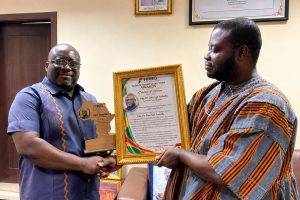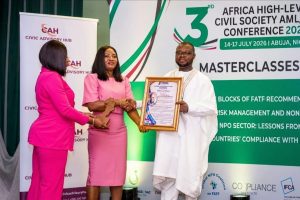
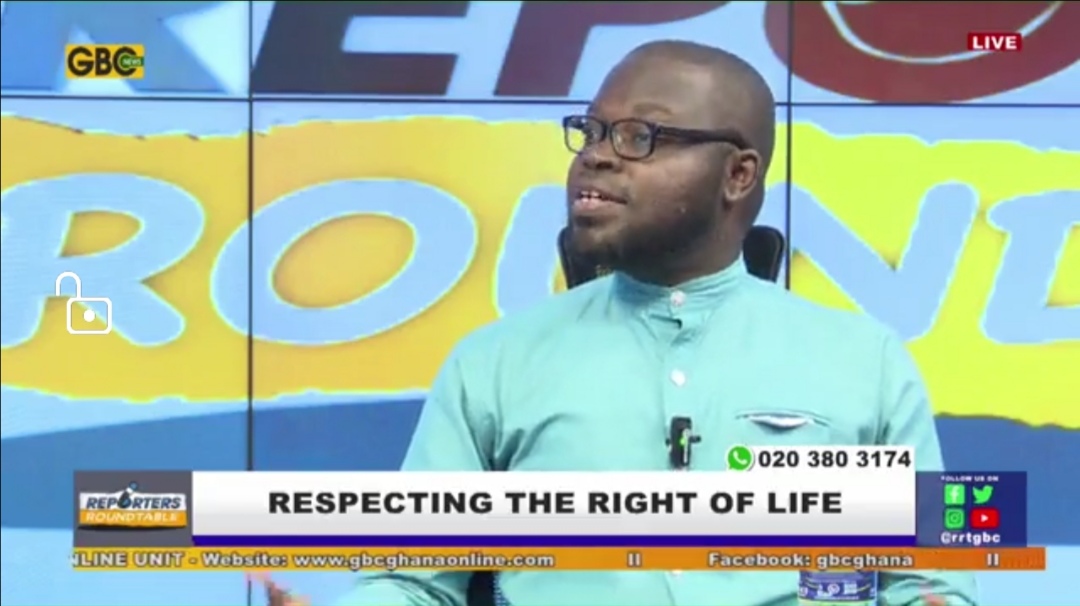
Changing Lives Through Human Rights Activism:Story of Dr.Joseph Kobla Wemakor
When I ventured into the field of human rights reporting and activism in 2014, I made a personal commitment to use my voice, knowledge and profession as tools for positive change in society.
Over the years, I have continued to equip myself through constant studies, research, seminars, workshops, conferences and various capacity-building programmes which have strengthened my understanding of human rights issues both locally and internationally.
For me, being a human rights reporter goes beyond simply writing stories for publication. It means becoming a voice for the voiceless, standing up for vulnerable people and using journalism as a platform to advocate for justice, equality and dignity for all.
As a human rights advocate, I strongly believe that continuous learning and staying informed about emerging human rights issues are very important. This has helped shape me into a more effective advocate and reporter over the years.
Through my works, I have had the opportunity to impact the lives of many disadvantaged children, women, the elderly and minority groups within society. Some of my stories have not only created awareness but have also inspired interventions and changed lives positively.
One story that remains very memorable to me is that of Abudu Salah, a brilliant young lady who worked as a head porter, popularly known as “Kayayei,” but still excelled academically despite her difficult background.
In 2019, I published a story about her exceptional performance in the 2018 WASSCE examinations after she obtained six A’s and two B’s against all odds. The story was first published by GhanaWeb under the headline “Meet Abudu Salah, the Kayayei who scored Six A’s and two B’s in WASSCE.”
Shortly afterwards, the story gained national attention and spread widely across online platforms and traditional media outlets both in Ghana and beyond.
The impact of the publication was overwhelming. I began receiving phone calls from individuals, organizations, NGOs and institutions expressing interest in supporting her education. At a point, I was contacted by the Office of the then Vice President of Ghana, Mahamudu Bawumia, regarding possible support for her educational journey and future aspirations.
Indeed, that period became a major turning point in Abudu Salah’s life. Following her remarkable WASSCE results and the widespread publicity generated through the story, she received support to pursue higher education and successfully graduated with a Bachelor of Science degree in Public Health Nursing from the University of Ghana.
Experiences like these continue to remind me that journalism is not only about reporting events but also about creating impact, restoring hope and giving visibility to people whose stories may otherwise never be heard.
Today, my passion for human rights advocacy remains stronger than ever.
I remain committed to using journalism and advocacy as instruments for social change while continuing to amplify the voices of vulnerable and marginalized people in society.
I believe that when journalism is used responsibly and purposefully, it has the power to change lives, influence policies and contribute meaningfully to national development.