Changing Lives Through Human Rights Activism: The Story of Joseph Wemakor
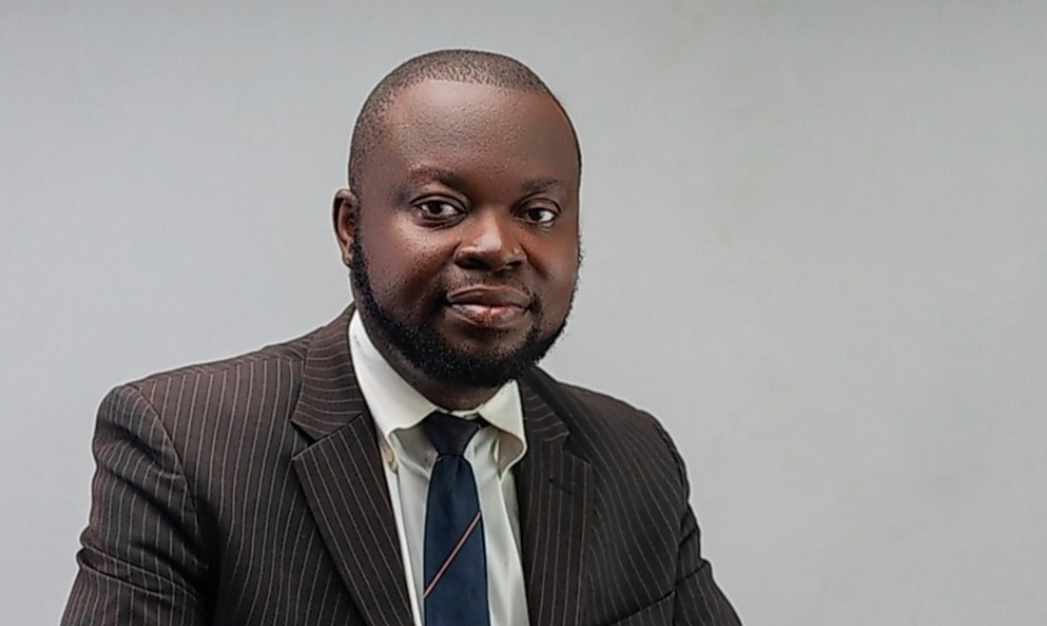
When it comes to changing lives through human rights activism, the story of Joseph Wemakor—a Ghanaian journalist and human rights advocate—continues to inspire and touch many.
In this piece, he shares his journey and highlights some of his impactful work as a human rights advocate through Human Rights Reporters.
Changing Lives Through Human Rights Activism: As He Writes
When I ventured into the field of human rights reporting and activism in 2014, I committed myself to using every bit of knowledge I had acquired, with my pen as a powerful tool to advocate for change.
Over the years, I have strengthened my expertise through continuous learning—backed by research, capacity-building seminars, conferences, and workshops I have had the privilege to attend.
Being a human rights reporter and activist means being the voice for the voiceless. It requires staying informed on human rights issues, understanding both local and international laws, and keeping up with real-life cases of violations as they occur.
To remain effective, one must consistently build capacity and stay prepared to execute the mission of advocating for justice and amplifying unheard voices in society.
This journey has brought out the best in me as both an advocate and a journalist. Through my work, I have been able to make meaningful impact.
Many of my stories have given hope to the hopeless and transformed the lives of disadvantaged girls, children, women, the elderly, and members of minority groups.
One such life-changing story emerged in 2018, during my advocacy work involving a former student of Ken Hammer Senior High Technical School (KENHASS) in Goaso, located in the then Brong Ahafo Region.
Her name is Abudu Salah—a brilliant young woman who worked as a kayayo (head porter), yet defied the odds by scoring six A’s and two B’s in the 2018 West African Senior School Certificate Examination (WASSCE).
My story, titled “Meet Abudu Salah, the Kayayei who scored Six A’s and two B’s in WASSCE” was first published by Ghana’s leading online news portal, GhanaWeb, on Monday, January 14, 2019.
It was quickly republished by 3news.com with the headline: “Kayayo with excellent WASSCE results needs help to be a nurse.”
Within minutes, the story spread like wildfire across online and social media platforms. Unfortunately, many republished it without proper attribution, contrary to journalistic ethics.
Despite this, the impact of the story was undeniable.
Abudu’s life changed significantly as her story gained national and international attention. She began appearing in headlines across both online and traditional media in Ghana and beyond.
This led to a call from the office of the Vice President of Ghana, Mahamudu Bawumia, who invited her to discuss support for her education and her dream of becoming a nurse.
Following this, I received numerous calls from government officials, civil society organizations, NGOs, international bodies, financial institutions, and individuals—all expressing interest in supporting her return to school.
The turning point came when Abudu Salah secured a full scholarship from the Government of Venezuela to study medicine at a university in Venezuela.
In the end, this story stands as a powerful reminder that advocacy works. It has not only changed the life of Ms. Salah but continues to impact many other vulnerable individuals in our society.